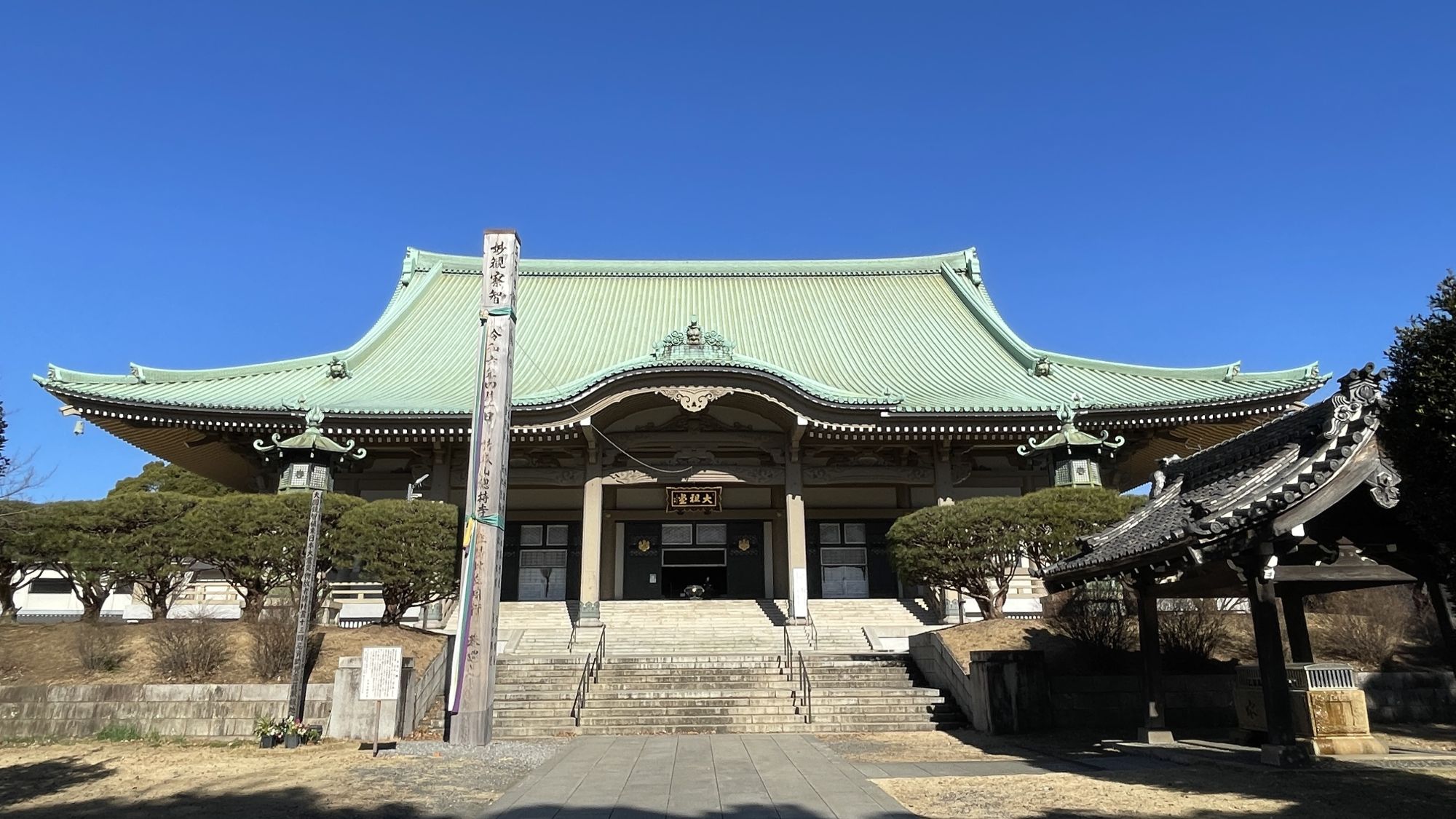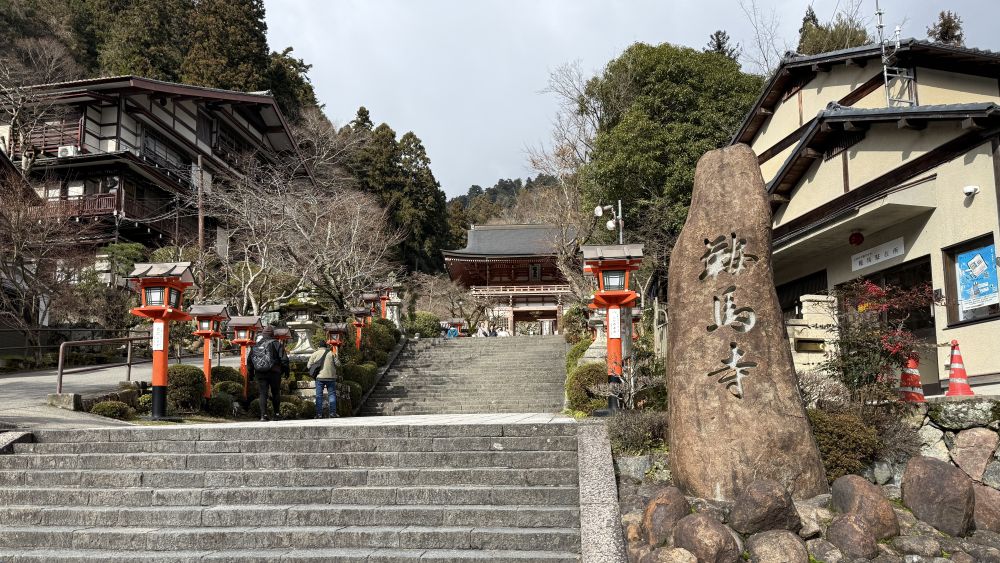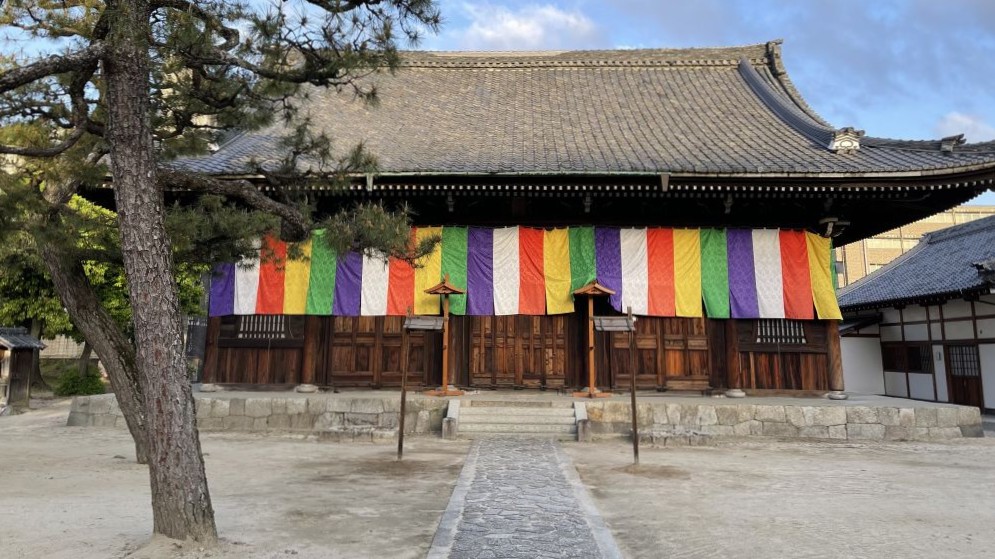
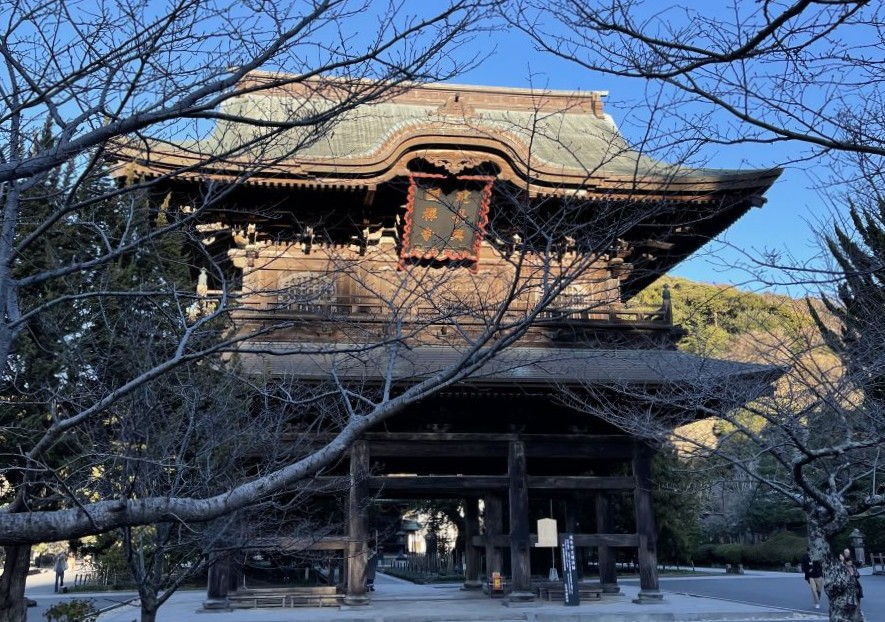
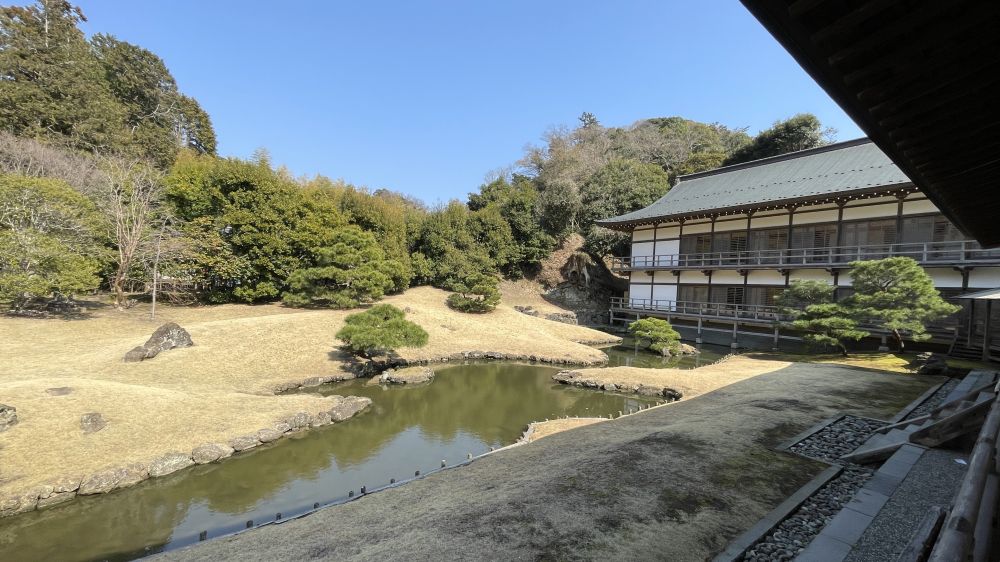
Located about a 15-minute walk from Kita-Kamakura Station, Kenchō-ji stands in an area once granted by Minamoto no Yoritomo to the Hōjō clan. Many temples in northern Kamakura share this deep connection. Founded in the mid-13th century by the regent Hōjō Tokiyori, Kenchō-ji was Japan’s first full-scale Zen monastery. Its founding abbot was the Chinese priest Rankei Dōryū, whose arrival marked the true establishment of Zen teachings in Japan.
Experience Living Zen at Kenchō-ji
The spirit of Zen continues to thrive at Kenchō-ji today. Every Friday and Saturday, the temple opens its doors for zazen meditation sessions that welcome the general public. No reservation is required—participants simply gather at the meditation hall by 3:30 p.m., where even first-timers can experience authentic Zen practice in a calm and inclusive setting.
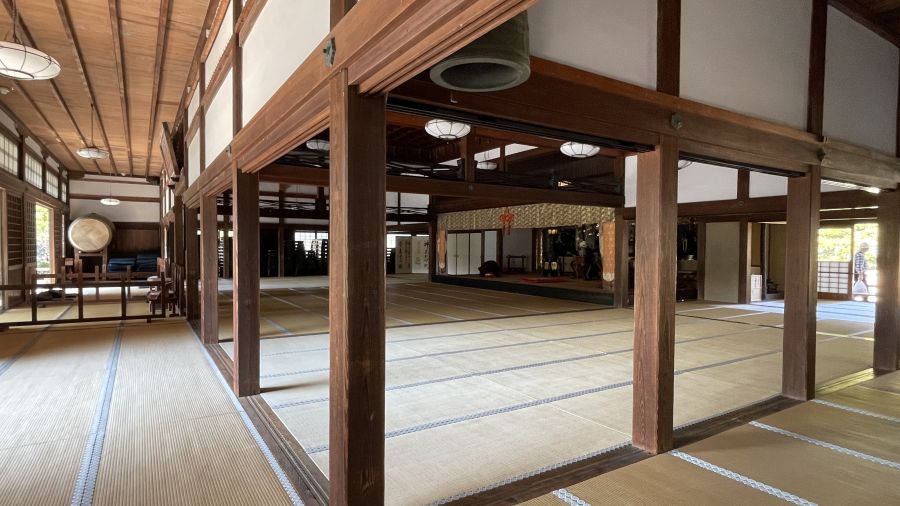
Japan’s literary giant Natsume Sōseki was also known to visit Kenchō-ji to practice zazen. The same bell that inspired his haiku once echoed through these meditation halls, linking past and present in the enduring rhythm of Zen.
Temple Bell
Story
A National Treasure Bell Still in Daily Use
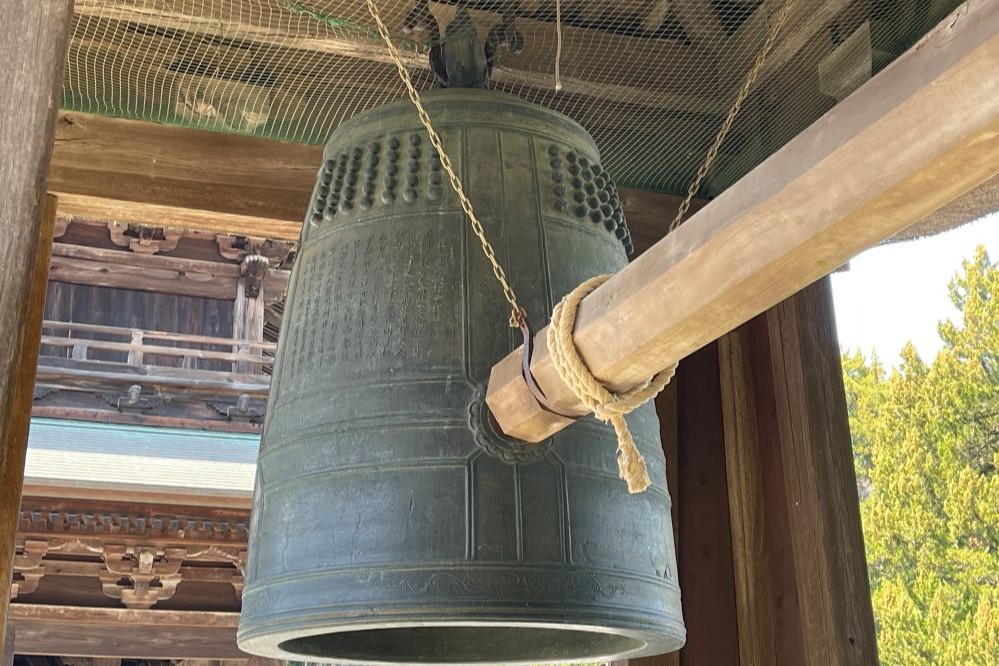
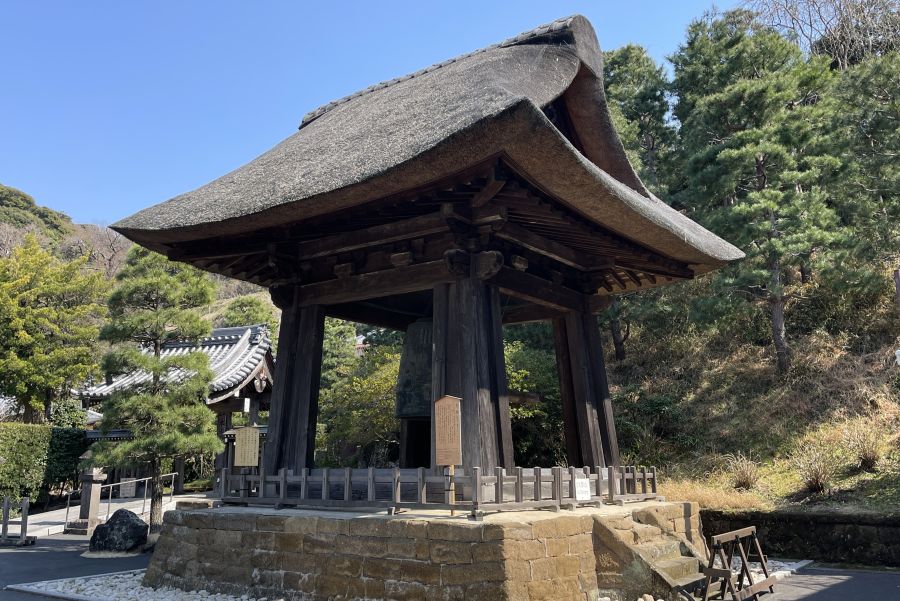
The temple’s great bell, cast in 1255 (Kenchō 7), is a National Treasure—one of only 14 bells nationwide to hold that status, and one of just two (with Tōdai-ji in Nara) still rung every day. It was created by the renowned metal-caster Mononobe no Shigemitsu, also credited with the Great Buddha of Kamakura. Though made in the Kamakura period, the bell’s design preserves Heian-period elegance, with the striking panel set unusually high.
Its fame also derives from the people involved: Rankei Dōryū selected the inscription, and Hōjō Tokiyori personally sponsored the casting. For its beauty, technique, and historic associations, it is celebrated as one of the “Three Finest Bells of Kamakura.”
The Bell in Natsume Sōseki’s Haiku
The novelist and poet Natsume Sōseki immortalized Kenchō-ji’s bell in his haiku:
Kane tsukeba
ichō chiru nari Kenchō-ji
When the bell tolls,
ginkgo leaves fall — Kenchō-ji.
The verse captures the quiet moment when autumn leaves drift through the air with the bell’s deep resonance, portraying the temple’s serene atmosphere. Sōseki wrote it while teaching English in Matsuyama, Ehime Prefecture, sharing a house with his friend, the poet Masaoka Shiki. Scholars note that Sōseki’s scene of a bell echoing through falling leaves may have inspired Shiki’s later masterpiece, “Kaki kueba, Kanega narunari, Hōryū-ji.”
Today, visitors to Kenchō-ji can still hear this same National Treasure bell resound—a living echo of the Kamakura period that continues to shape Japan’s spiritual soundscape.
Access
Kencho-ji Temple
8, Yamanochi, Kamakura-shi, Kanagawa