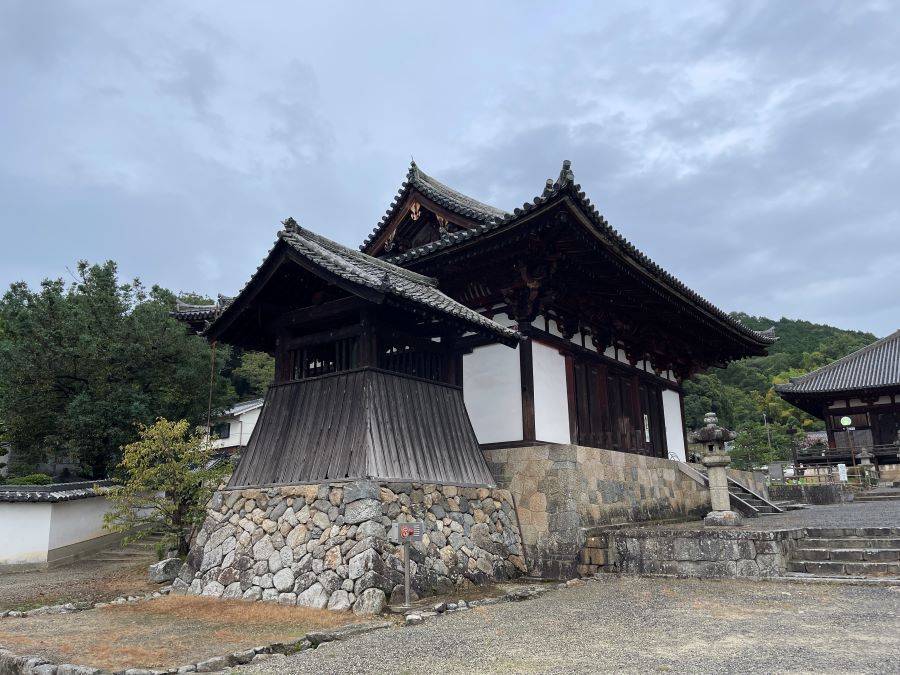
The oldest surviving temple bell in Japan can be found at Myōshin-ji Temple in Kyoto. An inscription on the inside reads, “The thirteenth day of the fourth month, the year of Tsuchinoe-inu,” corresponding to A.D. 698. Another ancient bell at Taima-dera Temple in Nara, though uninscribed, is believed to date from around the same period. Both are over 1,300 years old and rank among Japan’s most valuable cultural treasures.
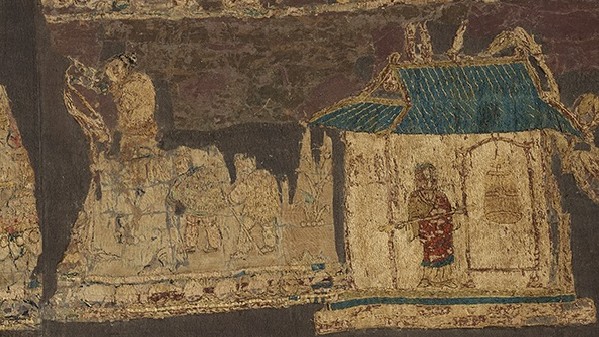
Yet Buddhism arrived in Japan much earlier, during the time of Prince Shōtoku (late 6th to early 7th century). Could temples of that era have had bells? A clue appears in the Tenjukoku Shūchō (Embroidery of the Land of Eternal Life) preserved at Chūgū-ji Temple. Created around A.D. 622, the embroidery vividly depicts monks striking a large temple bell—clear evidence that bells were already in use in temples during Shōtoku’s lifetime.
Historical records provide further support. The Nihon Shoki (Chronicles of Japan), completed in A.D. 720, states that Hōkō-ji (Asuka-dera) was founded in 593. Later, the Gango-ji Garan Engi narabini Ruki Shizaichō (Temple Origin Record, 747) notes that monks’ and nuns’ quarters should be built close enough “for the sound of the bells to reach each other.” This suggests that from its founding in 596, Japan’s first true Buddhist temple—Asuka-dera—was designed with a bell in mind. Though no physical evidence remains, these clues point strongly to Asuka-dera as the site of Japan’s earliest temple bell.
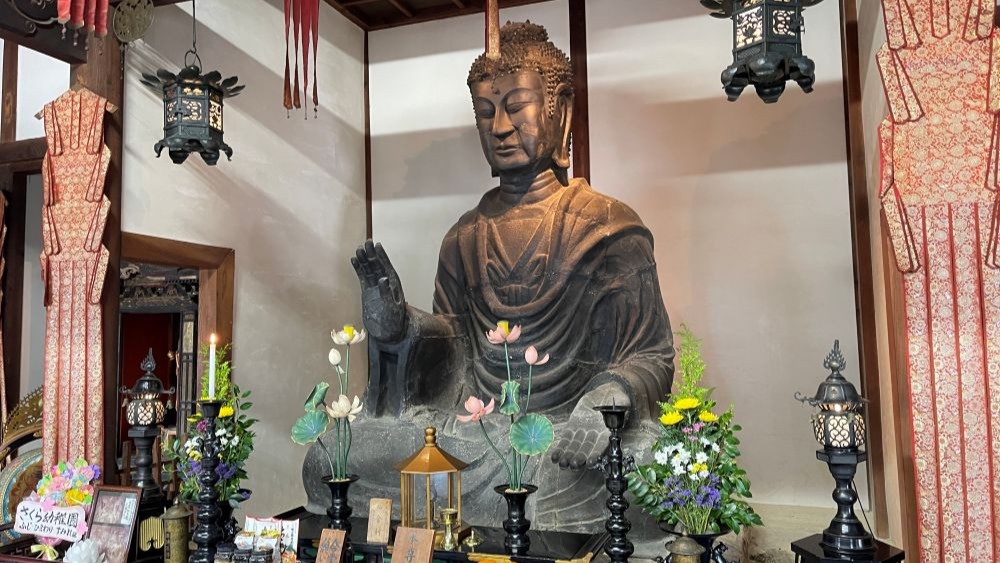
So where might that bell be now? The Nihon Ryōiki (Miraculous Tales of Japan), a Nara-period collection of Buddhist legends, tells of a bell at Gango-ji used to repel a demon. It is said that Gango-ji later lost its bell, which was moved to another temple during the Kamakura period. Nearby Shin-Yakushi-ji possesses an ancient bell marked with what is believed to be the “demon’s claw marks,” hinting at a link to the vanished bell of Asuka-dera.
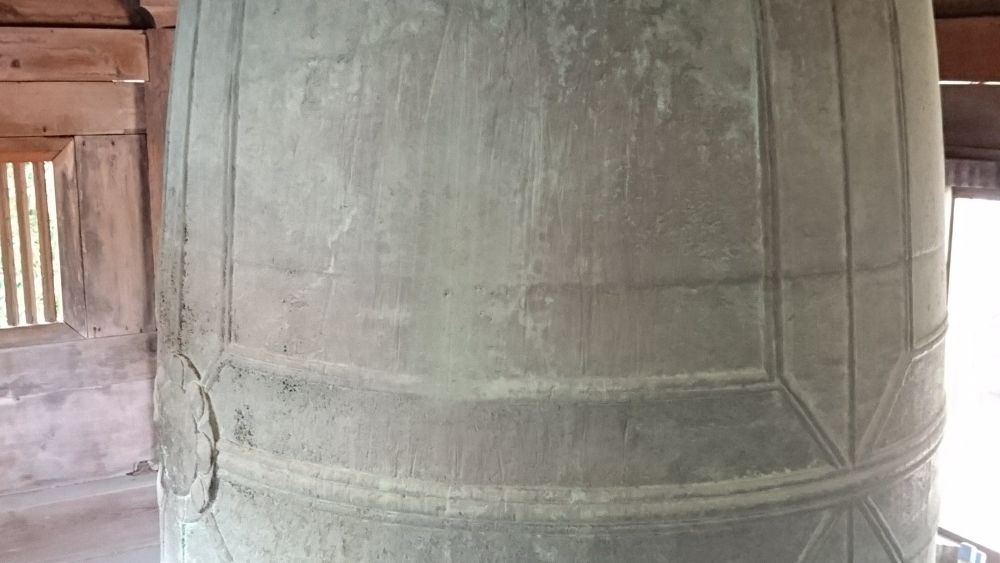
Tracing Japan’s first bell is not merely a search for metal relics—it is a journey through history, art, and legend. By listening to the echoes within ancient texts, embroideries, and surviving temples, one can almost hear the resonance of a bell struck over thirteen centuries ago.
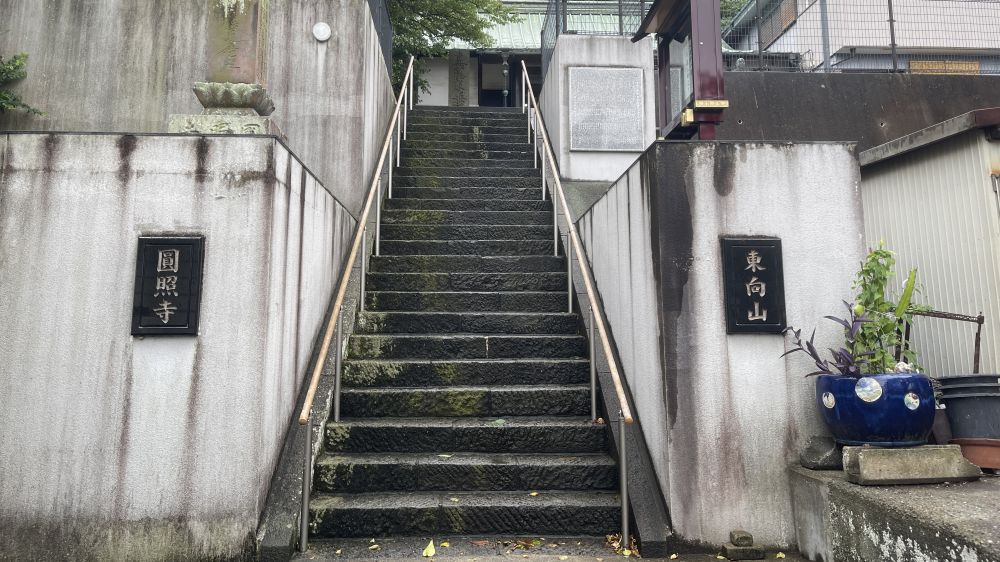
Gango-ji (Nara City)
A UNESCO World Heritage site with surviving roof tiles brought from Asuka. The Zen hall and Gokuraku-dō preserve the atmosphere of the 7th century. Seasonal openings reveal exquisite statues and gardens.
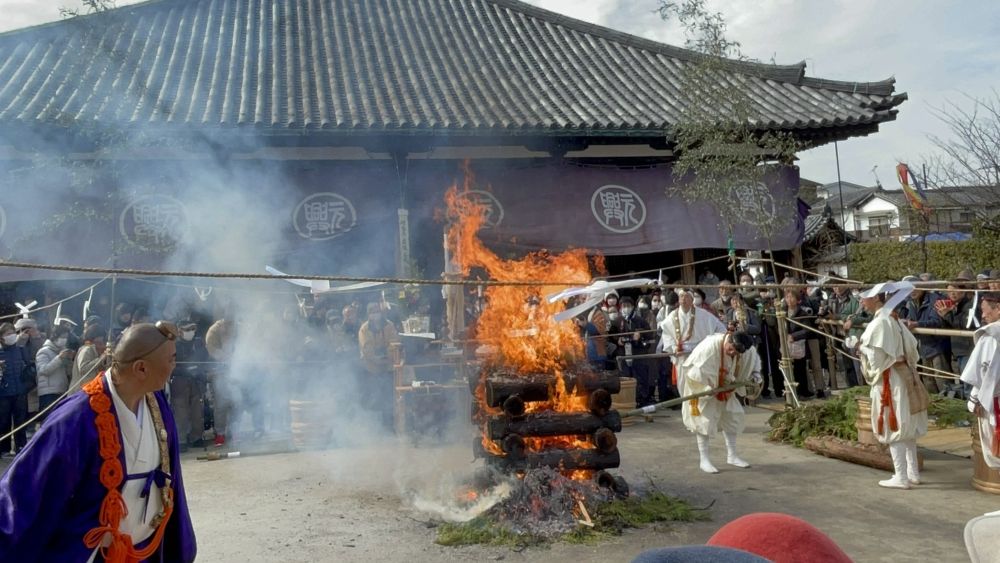
Shin-Yakushi-ji (Nara City)
Famed for its twelve guardian statues (National Treasures) surrounding the Yakushi-Nyorai Buddha. The ancient bell on its grounds bears the legend of the “demon’s claw marks.”
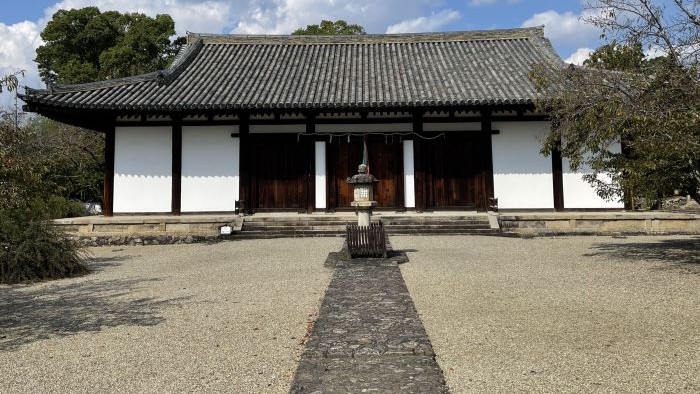
Taima-dera (Katsuragi, Nara Pref.)
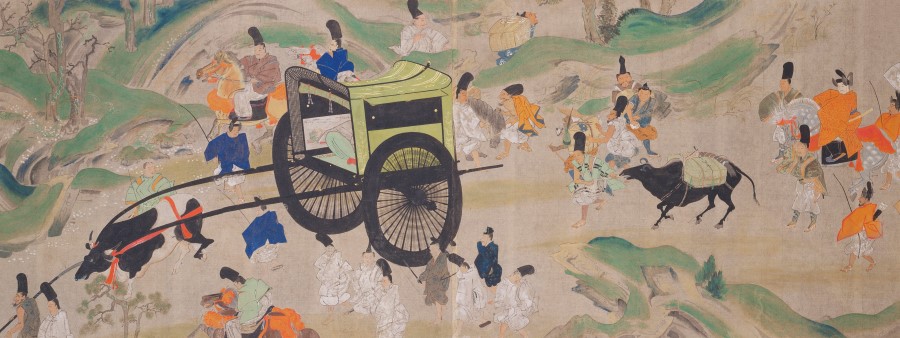
Renowned for the legend of Princess Chūjō and the Taima Mandala (National Treasure). Its twin pagodas, dating to the Nara period, are among the oldest in Japan, and the bell tower still carries an aura of antiquity.
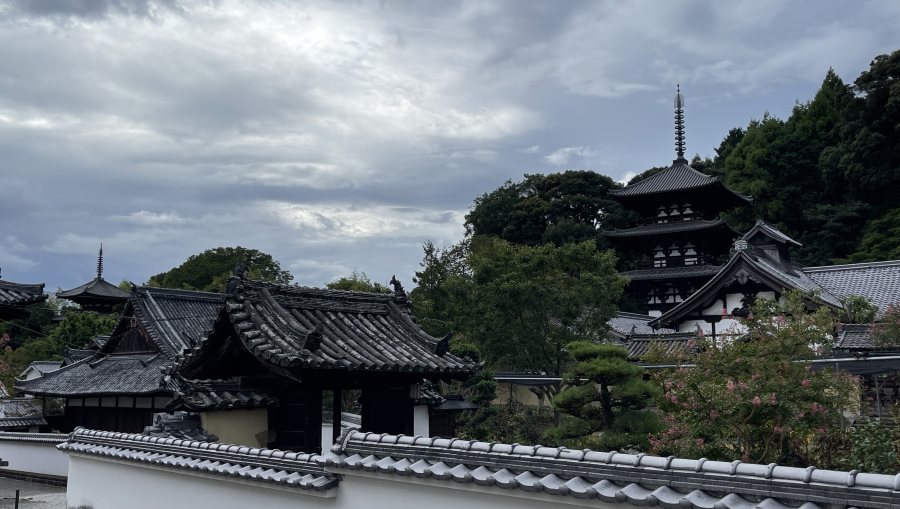
Myōshin-ji (Kyoto)
Home to Japan’s oldest surviving bell. The vast Zen complex includes numerous sub-temples, each with distinctive gardens and architecture.
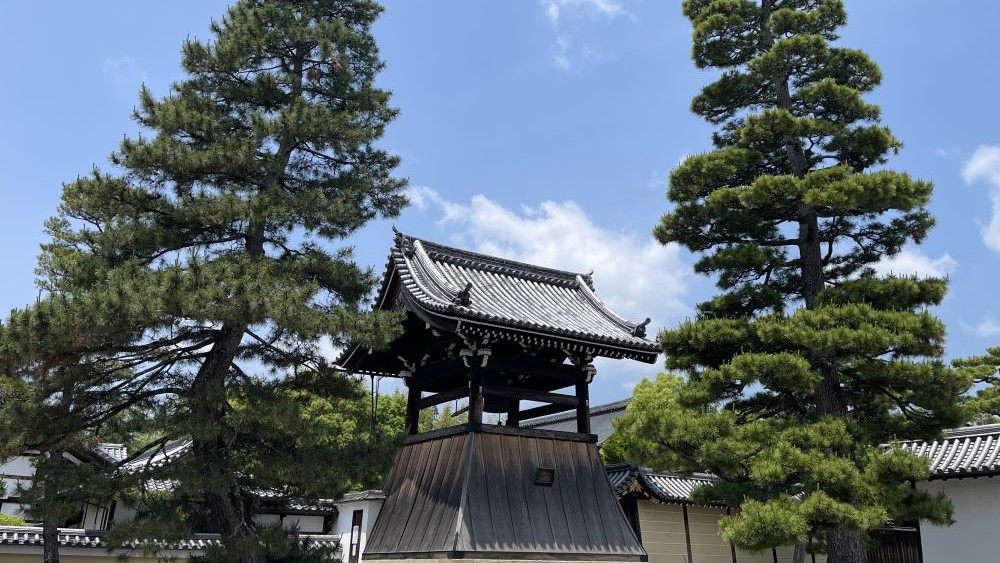
Exploring these temples offers more than a glimpse into Japan’s past—it is a chance to encounter living echoes of faith and artistry. When visiting Nara or Kyoto, pause and listen. The ancient bells may still be speaking across the centuries.