A Fishing Port with a Legendary Catch
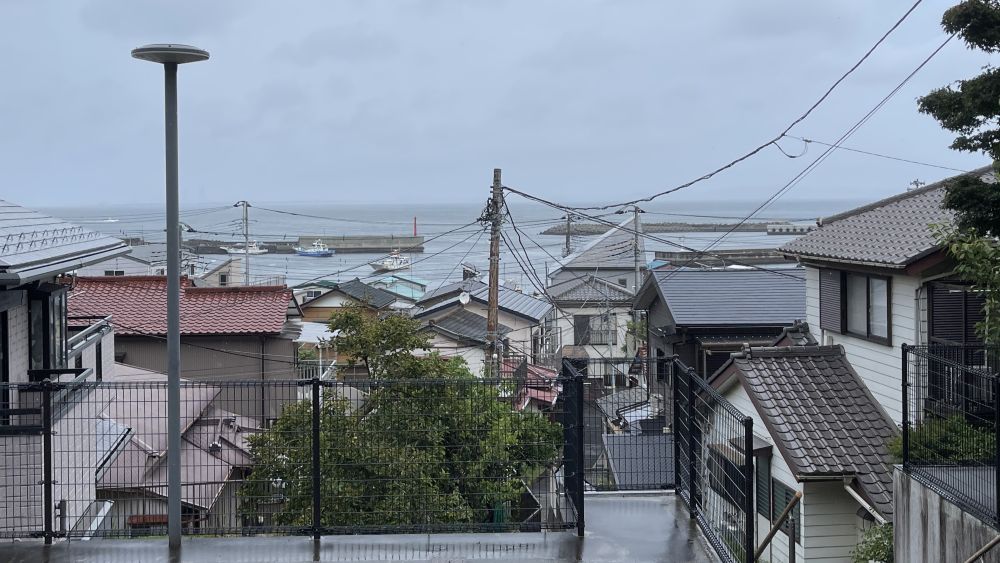
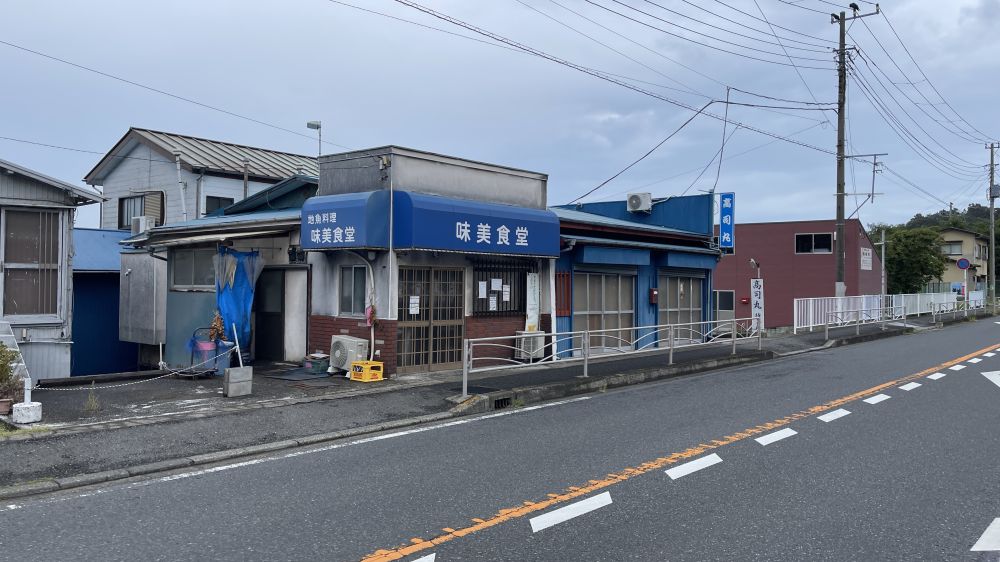
The harbor town of Hashirimizu, on the eastern shore of the Miura Peninsula in Yokosuka, Kanagawa, is known today for its fishing boats and a prized local catch: the kogane-aji, or “golden horse mackerel.” Named for its gleaming, golden-tinged skin and exceptionally rich flavor, this branded fish has made Hashirimizu one of the most celebrated small fishing ports on Tokyo Bay.
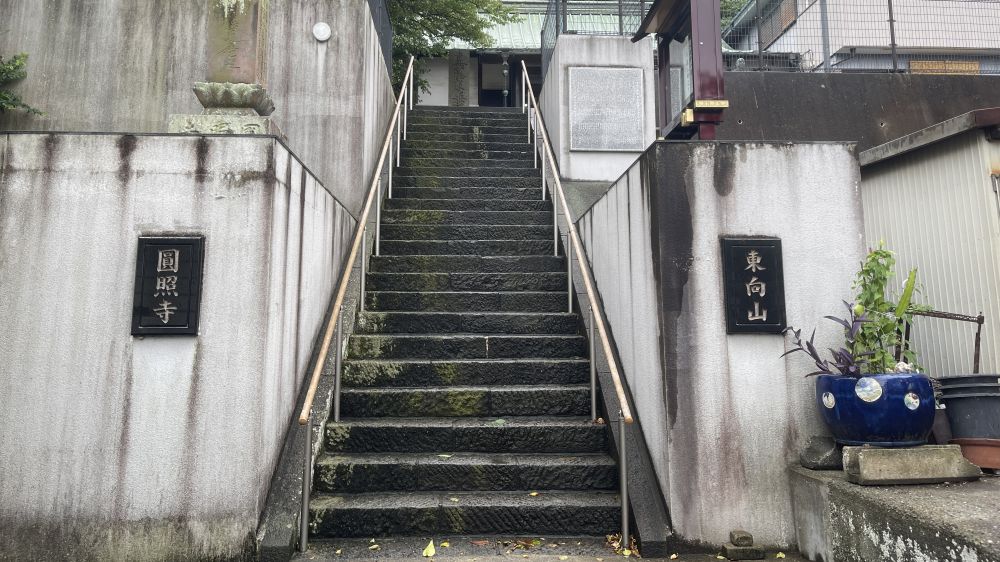
Overlooking that harbor from a bluff above the sea stands Enshoji, a modest Buddhist temple whose most extraordinary possession has nothing to do with fish — and everything to do with what lies beneath the waves.
The Bell Raised from the Sea
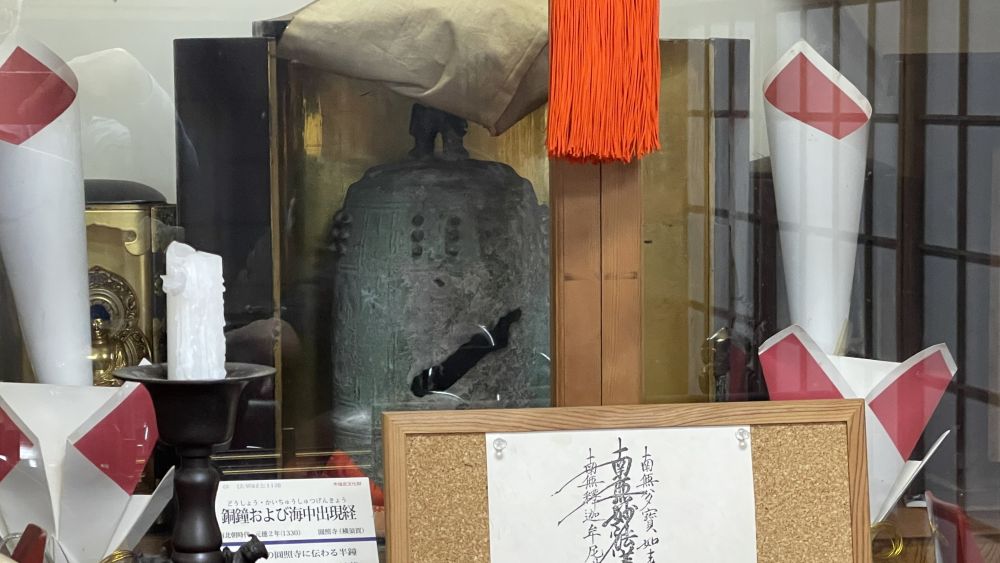
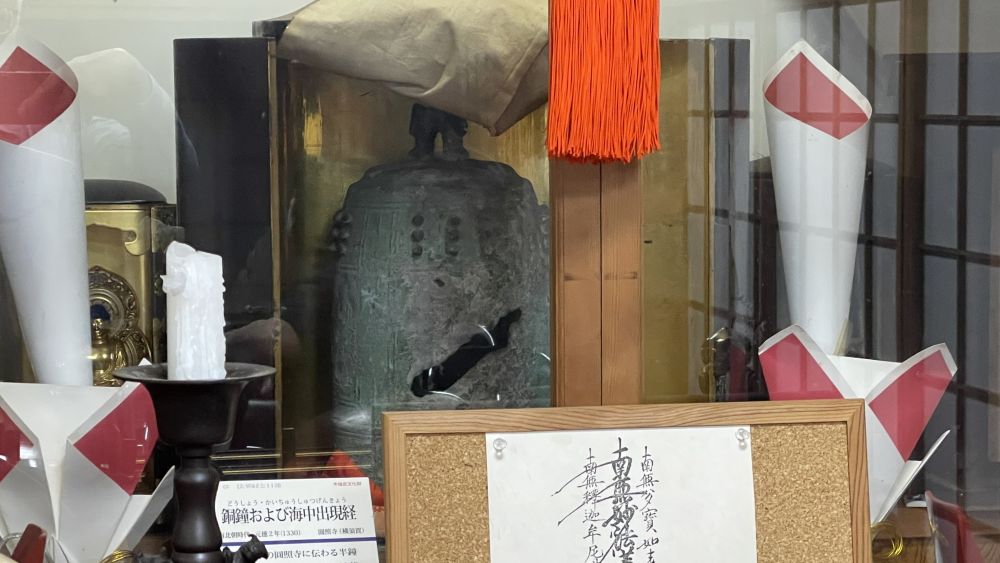
On an unrecorded day in the second month of Bunsei 5 (1822), a fisherman named Rihei cast his nets into the waters off Hashirimizu and drew up something that had no place in any ordinary catch: a small bronze bell, its mouth sealed shut with thick planks of Japanese cypress (hinoki).
The bell was brought to Enshoji, where the planks were broken open — tradition holds that an axe was required — and inside was found a hand-copied sutra. A deep gash still visible on the bell’s surface is said to date from that moment of opening. The colophon of the sutra carried a remarkable inscription: it had been written in the second year of Gentoku (1330), near the end of the Kamakura period, and dedicated to Ryūgūjō — the Dragon Palace, the mythological undersea realm of the dragon king.
The bell itself is small, standing approximately 44 centimeters in height, and is now designated a cultural property of Yokosuka City. Together with the sutra it contained, it is enshrined at Enshoji as an object of veneration.
The Tradition of the Sunken Bell
Legends of chinsho — bells deliberately sunk into lakes, rivers, or the sea — appear across Japan, often tied to dragon deity worship or prayers for the protection of fishing communities. In some traditions, a bell cast into the water was understood as an offering to the underwater realm, its resonance continuing to sound beneath the surface for the benefit of those who lived from the sea.
What makes Enshoji’s bell exceptional within this tradition is the survival of documentary evidence. The sutra enclosed within the bell provides a datable written record of the act of dedication, stating explicitly that the bell and sutra were offered together to the Dragon Palace in 1330. This combination — a sealed bell, an enclosed sutra, and a colophon recording the offering — constitutes one of the clearest documented examples of an intentional chinsho practice anywhere in Japan.
The nearly five centuries the bell spent beneath Tokyo Bay before Rihei’s net found it only deepens the resonance of the legend it carries.
Temple Bell
Story
Visiting Enshoji
Enshoji is a small temple, and the bell is not on permanent public display. It can be viewed on only three occasions each year: August 11, November 1, and New Year’s Day (January 1). Visitors who time their visit to one of these dates will find a temple quietly guarding one of the Tokyo Bay region’s most unusual cultural treasures — a bell that once lay on the ocean floor, sealed with a prayer older than the Muromachi period.
Access
Enshouji Temple
2-9-9 Hashirimizu, Yokosuka, Kanagawa
By train and bus:
From Keikyu Umaborikaiganeki Station → Keikyu Bus bound for Kannonzaki (観音崎行) → approx. 5 min → “Hashirimizu Jinja” bus stop → 2 min walk
From JR Yokosuka Station → Keikyu Bus bound for Kannonzaki → approx. 20 min → same stop
Bell viewing dates: August 11 / November 1 / January 1 only