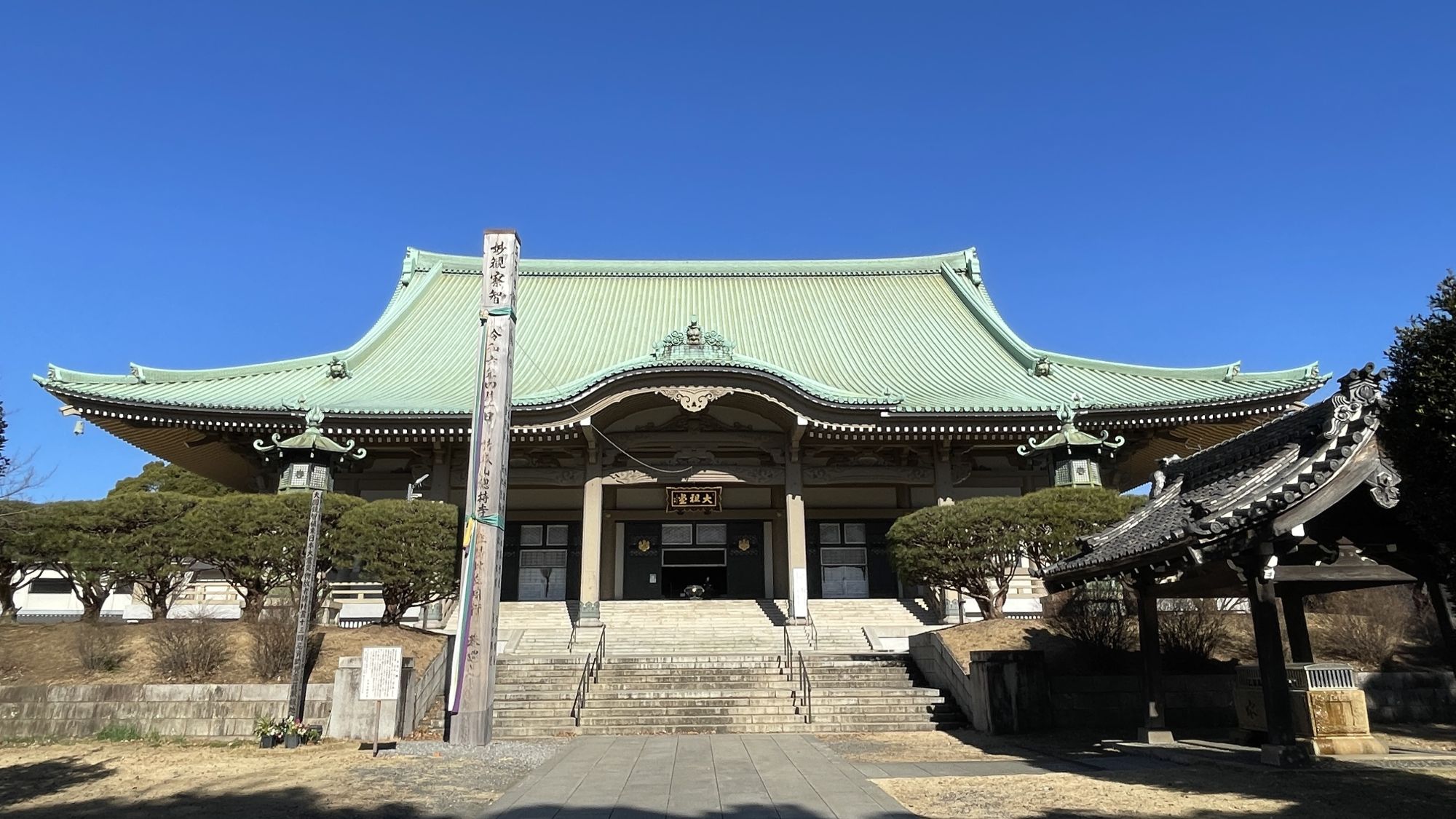
Sōji-ji, located in Tsurumi Ward, Yokohama, is one of the two head temples of the Sōtō Zen sect. Its origins trace back to Morooka-ji, a temple on the Noto Peninsula in present-day Ishikawa Prefecture, which was renamed Sōji-ji when Zen master Keizan re-founded it in 1321. For more than 570 years the temple remained on the Noto Peninsula, until a fire destroyed most of its buildings in 1898. Looking toward both reconstruction and the future of the sect, Sōji-ji relocated to its current site in Tsurumi, Yokohama, in 1911.
A 400-Meter Wipe-Down: The Temple Famous for Cleaning
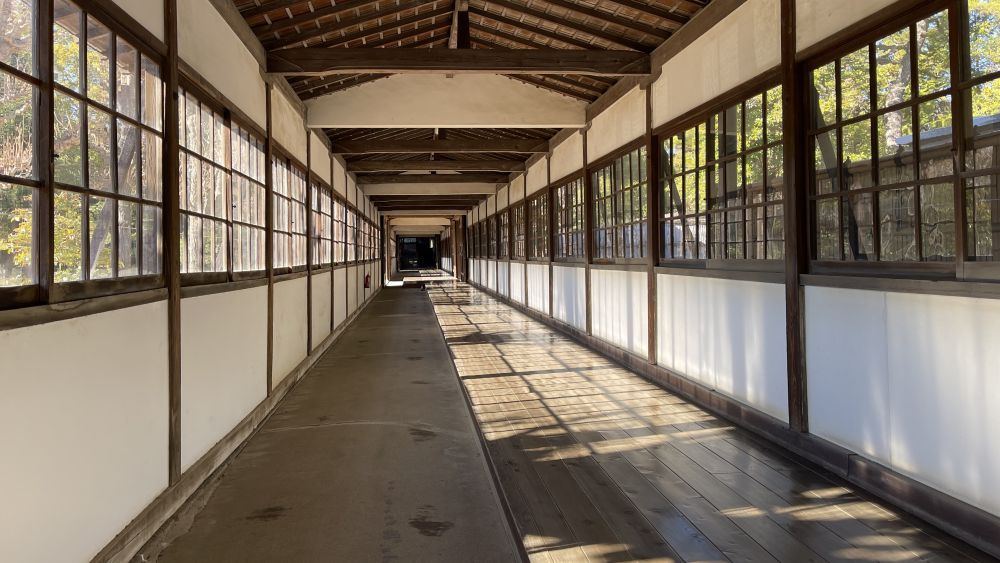
Cleaning holds a special place in Sōji-ji’s training. Most famous is the daily wiping of the Hyakken Rōka, a corridor stretching 164 meters, usually visible around 8:00 a.m. and 11:00 a.m. Trainee monks wipe down roughly 400 meters of flooring, including this corridor, every single day.
This daily discipline is known as shasōgyō — the practice of cleaning as a form of Buddhist training in itself. At Sōji-ji, “the temple of cleaning” is no figure of speech; sweeping and wiping are genuine religious practice.
The Model for the Guardian Statues: A Future Sumo Grand Champion
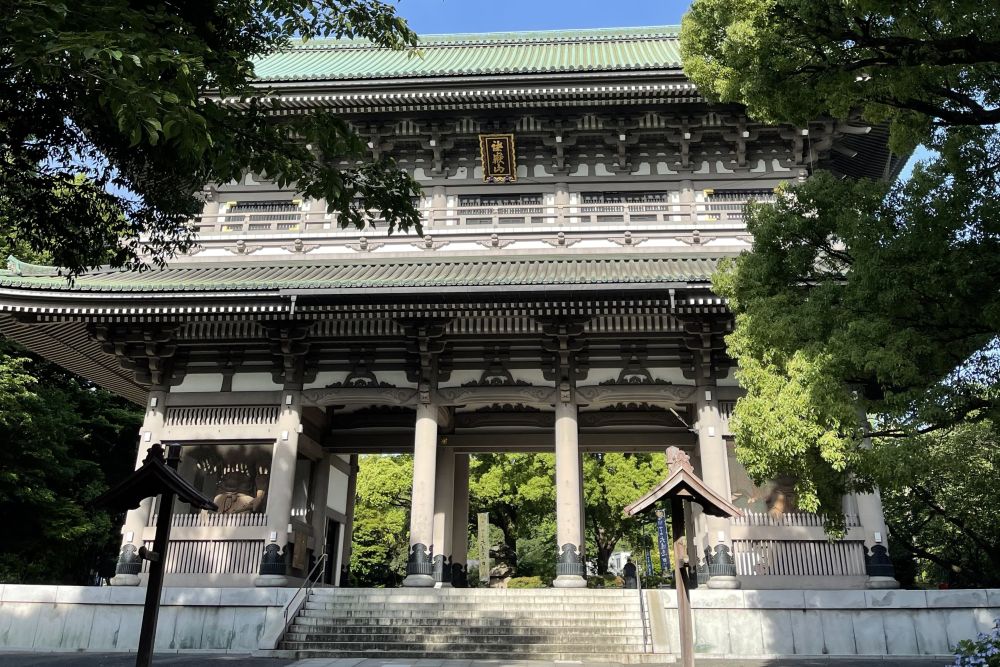
Completed in 1969, Sōji-ji’s Sanmon gate is the largest reinforced-concrete temple gate in Japan. Standing guard on either side of this imposing structure are two Niō (Kongōrikishi) guardian statues.
Remarkably, the model for these statues was a then-unknown 15-year-old sumo wrestler named Kitanoumi. When the sculptor commissioned to create the statues visited a sumo stable in search of a model, he was struck by the boy’s exceptional physique and chose him on the spot.
Kitanoumi would go on to become one of sumo’s great Yokozuna, etching his name into history. The sculptor’s eye for potential proved just as remarkable as the wrestler’s own career.
The Story of Major Aizō Kawamura
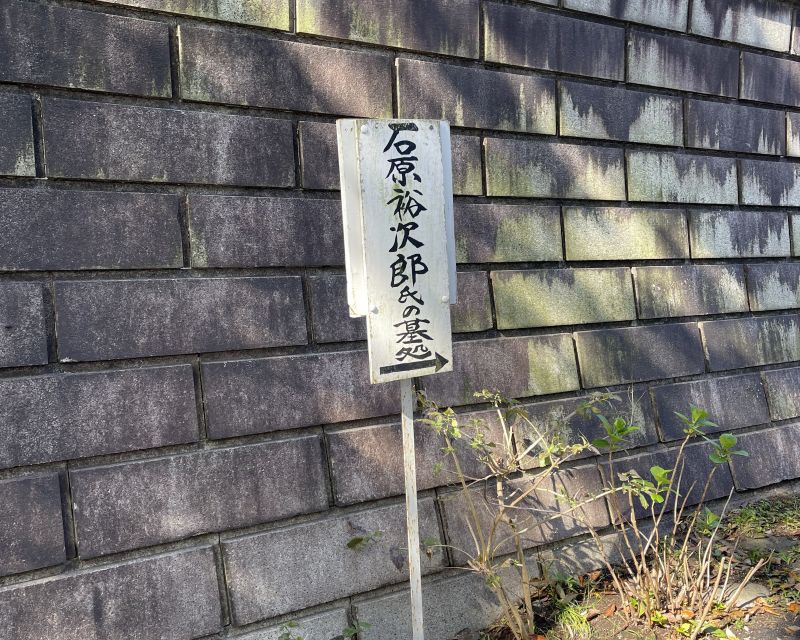
Sōji-ji’s cemetery holds an extraordinary range of notable figures across many fields — professional wrestler Antonio Inoki, former Prime Minister Hitoshi Ashida, actor Yūjirō Ishihara, and Chūta Itō, a pioneering figure in Japanese architecture, among others. Each left a mark that endures in memory.
Among them, one figure stands out for a particularly striking story: Major Aizō Kawamura.
In 1938, a group of Jewish refugees fleeing Nazi persecution found themselves stranded at Otpor Station on the Soviet–Manchurian border. As the Manchukuo government hesitated over granting entry, Major Kawamura and his colleagues acted immediately, providing food, clothing, fuel, and medical assistance. They went further still, arranging the logistics for the refugees’ departure and onward travel — ultimately helping save several thousand people.
Kawamura faced opposition from those wary of offending Nazi Germany, an ally of Japan at the time. He is said to have responded to Hideki Tōjō, then Chief of Staff of the Kwantung Army, with words to this effect: he asked whether it could truly be considered right to bully the weak simply to serve Hitler’s purposes.
At the crossroads of diplomacy and military command, Major Kawamura chose, on principle, to protect human life. His actions are sometimes spoken of alongside those of diplomat Chiune Sugihara and his famous “visas for life.”
Sōji-ji’s cemetery is, in this sense, also a quiet resting place for human dignity and conviction. As trainee monks offer their daily prayers at this great head temple, it may be worth pausing to reflect on the lives of those who rest here.
Temple Bell
Story
Morning Practice and the 11 O’Clock Bell: A Moment of Zen at Sōji-ji
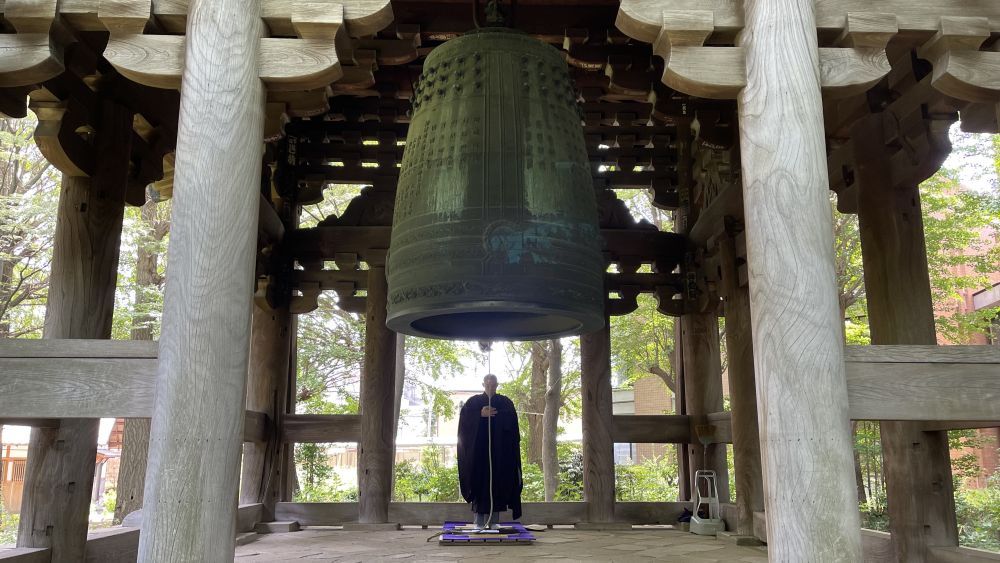
On a small rise east of the Sanmon gate stands the bell tower housing Sōji-ji’s great bonshō. Cast in 1913, the bell is among the largest in the Kantō region, weighing an astonishing 18 tons. Renowned also for its artistic craftsmanship, it was designated a Yokohama City Cultural Property in 1995.
Every day at 11:00 a.m., this great bell is struck by a trainee monk. The powerful, flowing motion of the strike — a hallmark of Zen temple ritual — together with the dashōge verse chanted before the bell is rung, offers visitors a quiet moment that resonates deeply.
Access
Soji-ji Temple
Getting There
2-1-1 Tsurumi, Tsurumi-ku, Yokohama, Kanagawa