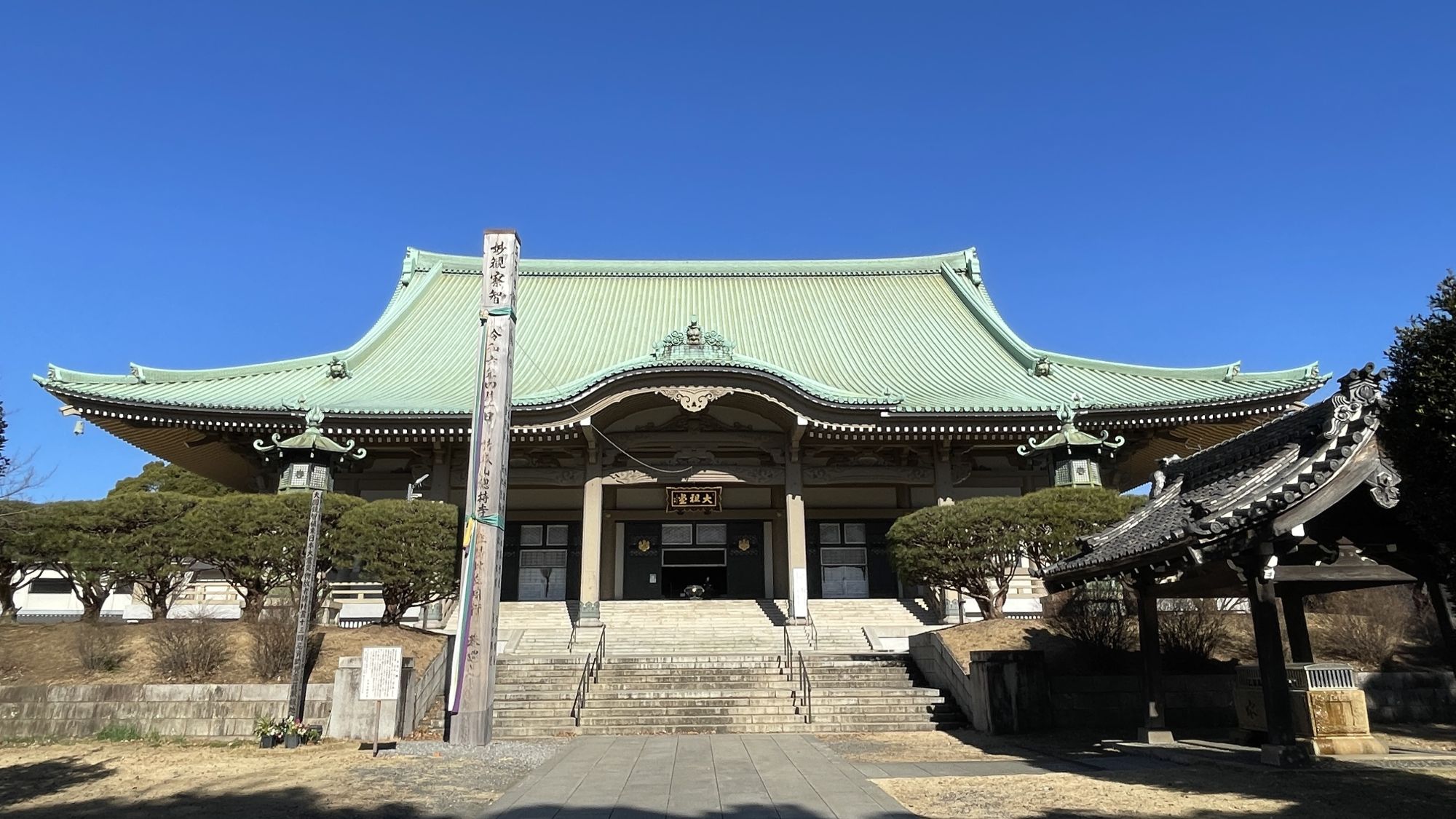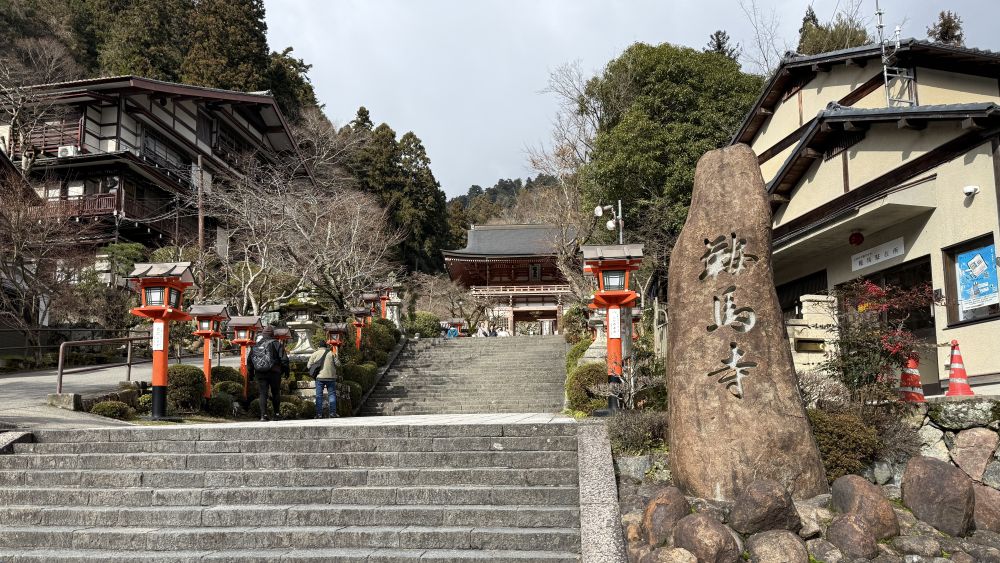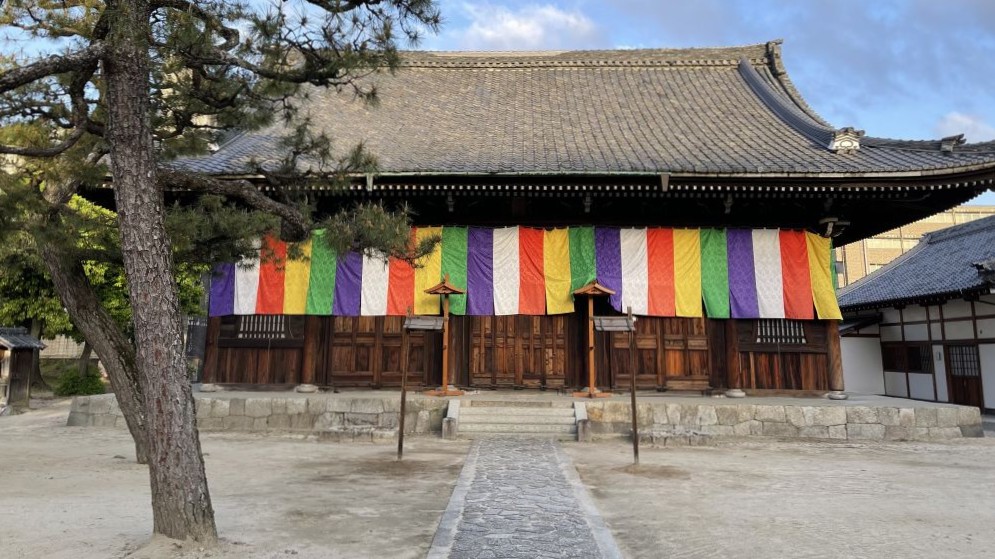
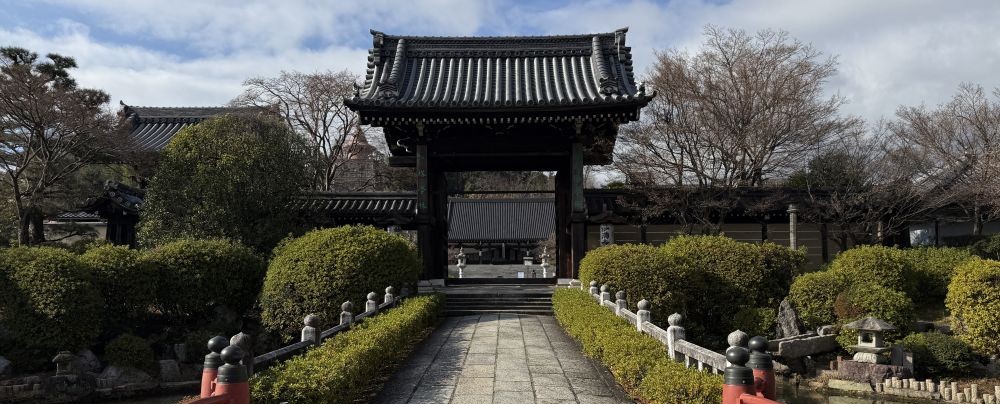
A short walk from the noise of the city, the temple of Myōman-ji keeps a bell bound to one of Japan’s most famous tales of love turned to vengeance — the legend of Anchin and Kiyohime.
The story is usually set far to the south, at Dōjō-ji in Hidaka, Wakayama Prefecture. But the bell’s own story did not end there. Carrying the memory of Kiyohime’s vengeful spirit, it crossed eras and provinces, and at last came to rest here, in the Iwakura district of northern Kyoto.
Where the Story Begins — the Dainihonkoku Hokke Genki
The earliest written record of the bell’s tale appears in the Dainihonkoku Hokke Genki, a collection of Buddhist miracle stories compiled around the year 1040 (Chōryaku 4). There it is told as a strange and unsettling account of a monk, a woman, and a bell — the prototype for the later Dōjō-ji engi picture scrolls and for the Dōjō-ji plays of Noh and Kabuki.
At this early stage, Kiyohime is not yet the spiteful, evil woman that later tradition would make her. She is something more ambiguous: a figure in whom human passion and Buddhist karma are tangled together.
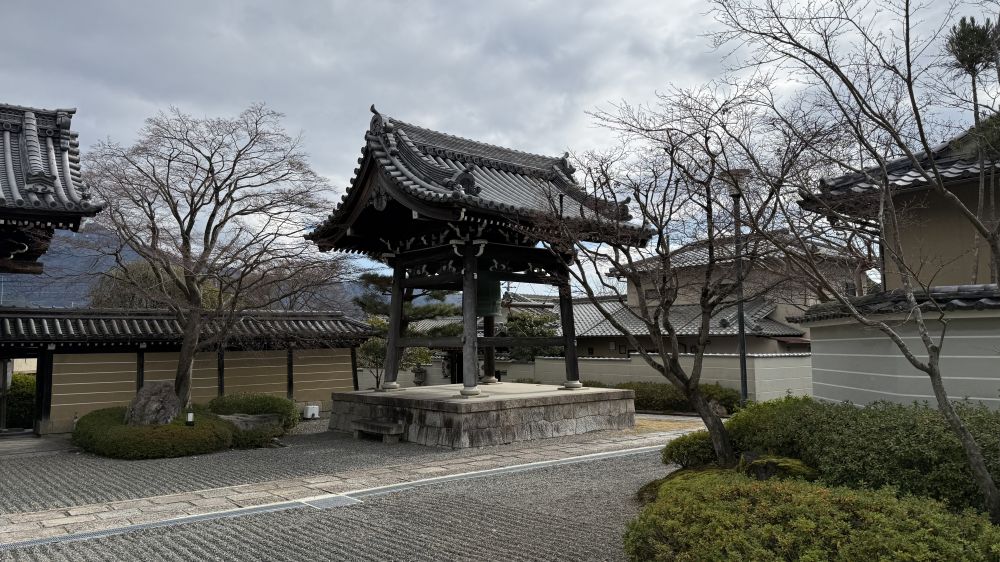
The Bell That Dōjō-ji Sealed Away Again
After the affair of Anchin and Kiyohime, Dōjō-ji cast no bell for a very long time. The bell itself had come to be shunned — feared as an object that summoned disaster and called up the dead.
Only after this long silence, in the Nanboku-chō period, was a new bell finally completed: on the eleventh day of the third month of 1359 (Shōhei 14). On the very day of its dedication ceremony, the vengeful spirit of Kiyohime appeared. By her curse the bell came crashing to the ground; she then took the form of a great serpent and vanished into the river.
In the days that followed, one ominous event after another struck the surrounding land, until the people were seized with dread. In the end, the bell was buried deep in a grove of bamboo.
A Daytime New Year’s Bell: A Growing Trend
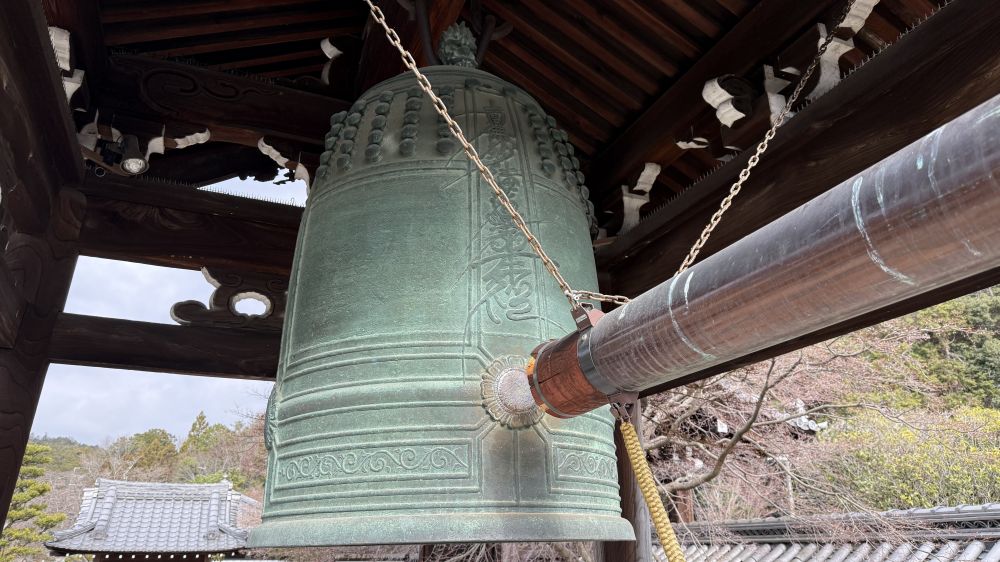
At Myōman-ji, the New Year’s Eve ringing is held in the late afternoon and is known as the toshiokuri no kane — “the bell that sees off the year.” Unlike the usual midnight ringing of the joya no kane, it takes place while the sky is still light.
In recent years, more and more temples have begun to ring their bells by daylight like this. It is far easier for children and for the elderly, who may find it hard to be out late at night, and it is drawing attention as a way for whole families to mark the turning of the year together.
Temple Bell
Story
The Bell’s Story: From Wakayama to Kyoto
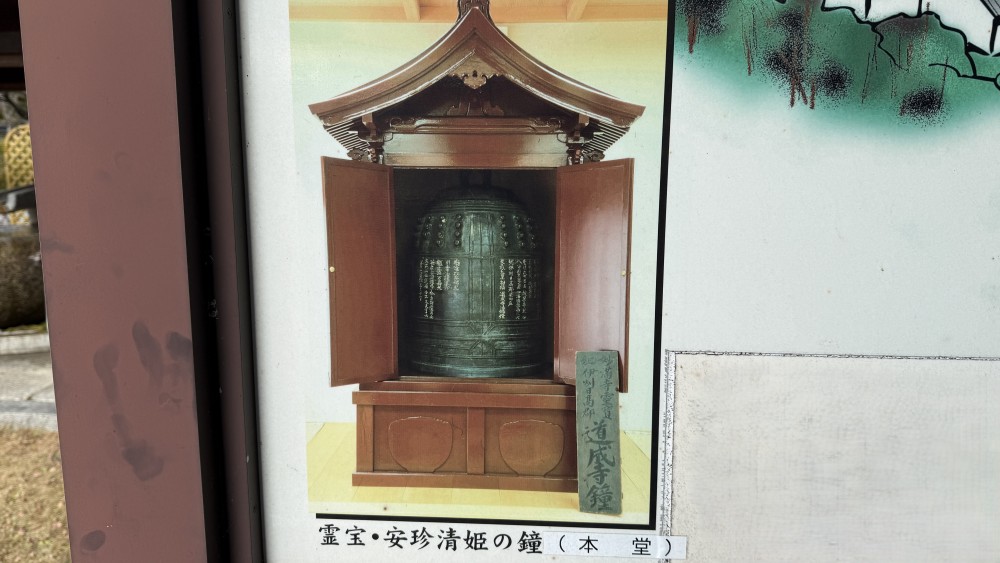
The bell returns to the stage of history roughly two hundred years later, in the Tenshō era.
During Toyotomi Hideyoshi’s assault on Negoro — part of his Kishū campaign — one of Hideyoshi’s retainers, Sengoku Hidehisa, is said to have unearthed the bell deep in the mountains. Hidehisa used it as a signal in battle, and afterward carried it back to Kyoto. There, to lay Kiyohime’s grudge to rest at last, he offered the bell to Myōman-ji — where it remains to this day.
Access
Myoman-ji Temple
1-6 91 Iwakura Hataeda-chō, Sakyō-ku, Kyoto City, Kyoto Prefecture