Kōfuku-ji is one of the core components of the UNESCO World Heritage Site “Historic Monuments of Ancient Nara,” and stands as one of the great temples representing the 1,300-year-old former capital. Located just a five-minute walk from Kintetsu Nara Station, in the heart of a bustling shopping district, the temple grounds are crowded with domestic and international visitors throughout the day. But in the early morning, when the crowds have yet to arrive and the resident deer are still lounging quietly, the atmosphere is entirely different. Around 5:30 a.m., monks can be seen circling the grounds chanting sutras. Rise early enough to catch the 6 a.m. bell, and you may witness this scene for yourself.
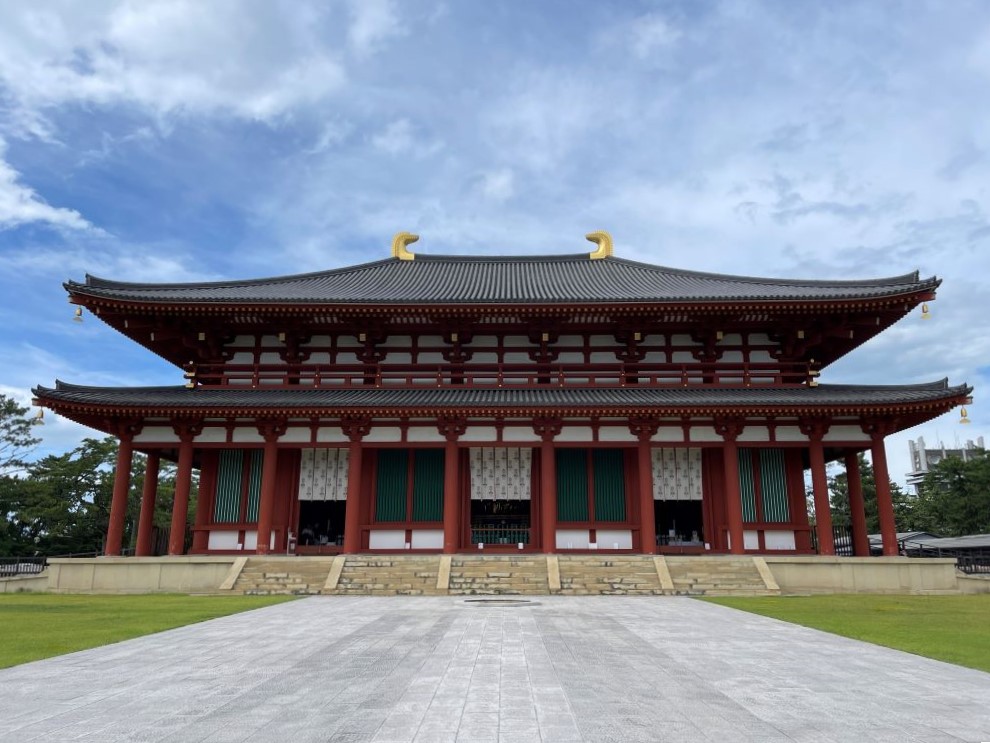
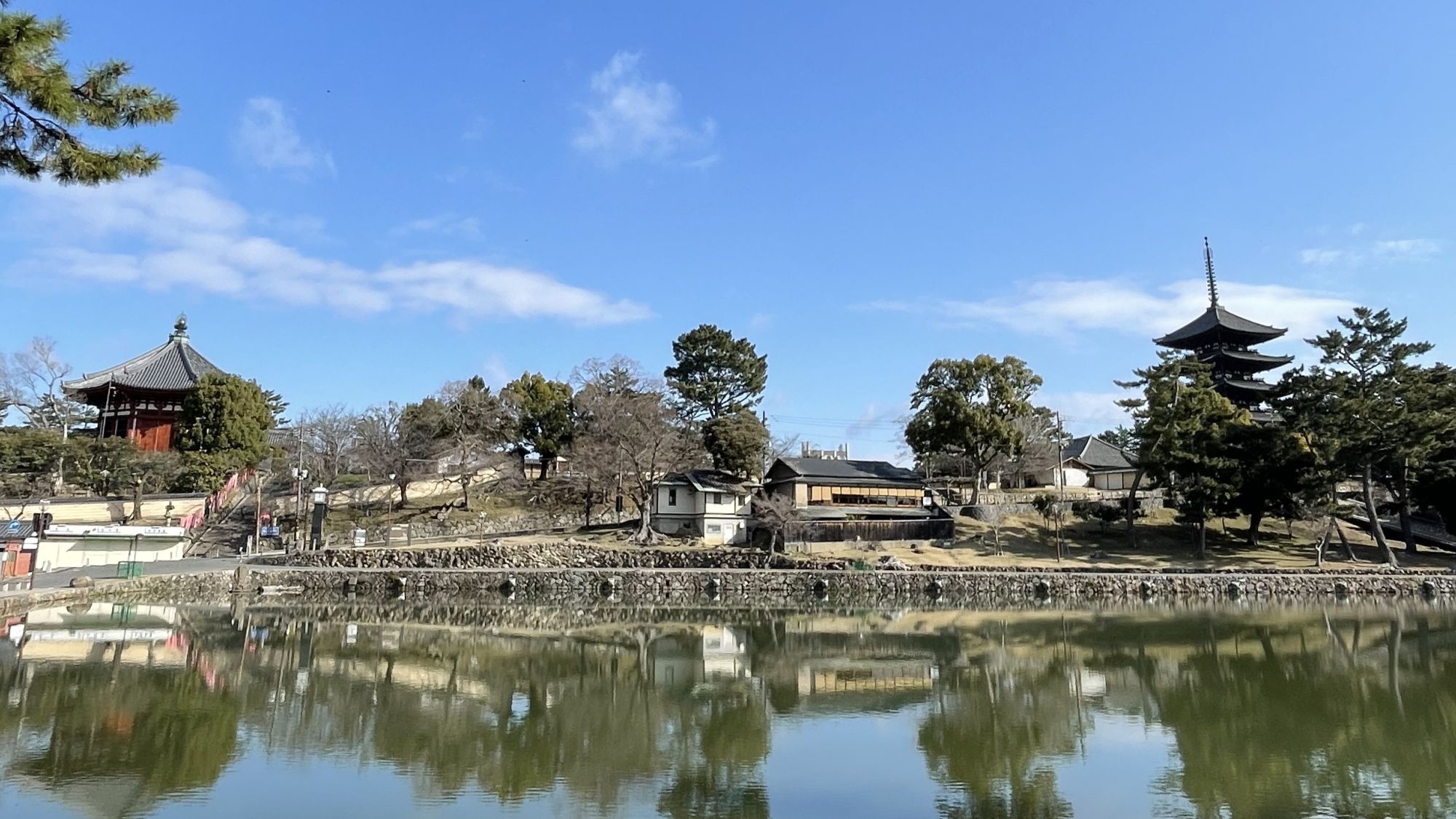
From Sarusawa Pond to the South Octagonal Hall, the Central Golden Hall, and the Five-Story Pagoda
Kōfuku-ji’s origins trace back to 669, to a temple called Yamashina-dera built in Asuka. When the capital moved to Heijō-kyō in 710, Fujiwara no Fuhito relocated the temple to its present site and renamed it Kōfuku-ji. Under the continued patronage of the Fujiwara clan, the temple flourished, and it remains today an important witness to the culture of the Tenpyō era.
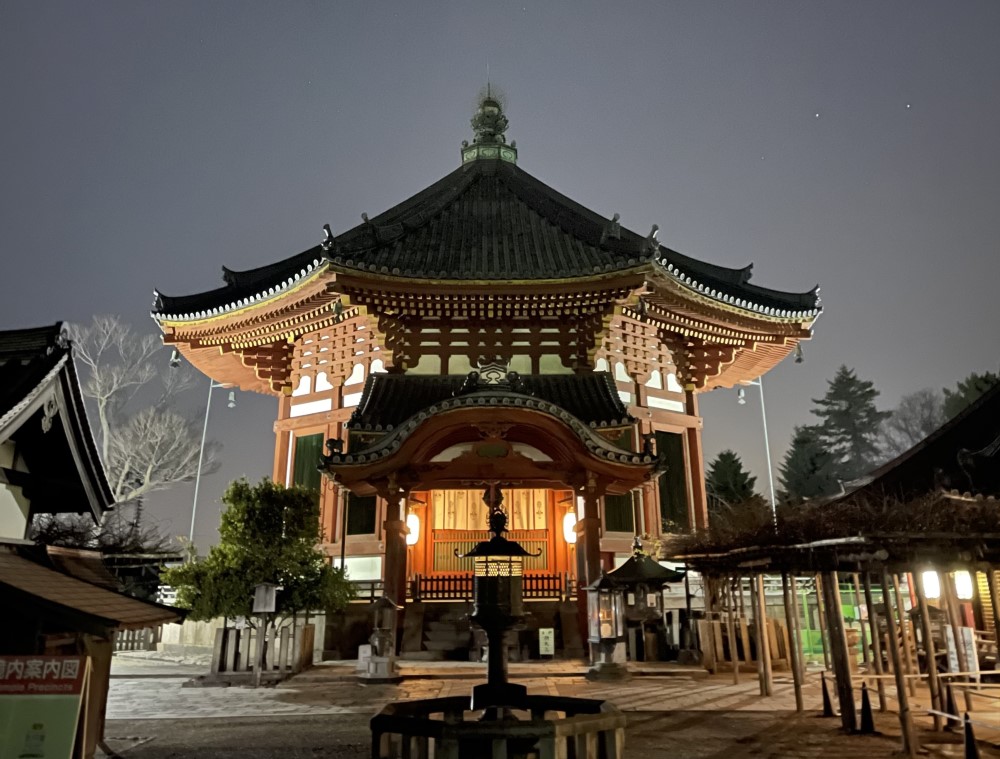
The keyword: reconstructing the cultural space of the Tenpyō era
Over its more than 1,000-year history, Kōfuku-ji has suffered repeated destruction from fire and warfare, with its halls rebuilt and restored again and again. As a result, the various buildings standing today date from different periods.
A major effort is currently underway to recreate the temple’s appearance as it was at the time of its founding, in the Tenpyō era. Based on archaeological excavation and research into historical documents, reconstruction work incorporating ancient wooden building techniques has been carried out. The Central Golden Hall (Chūkondō), which burned down in a fire during the Edo period, began reconstruction in 2000 and was completed in 2018.
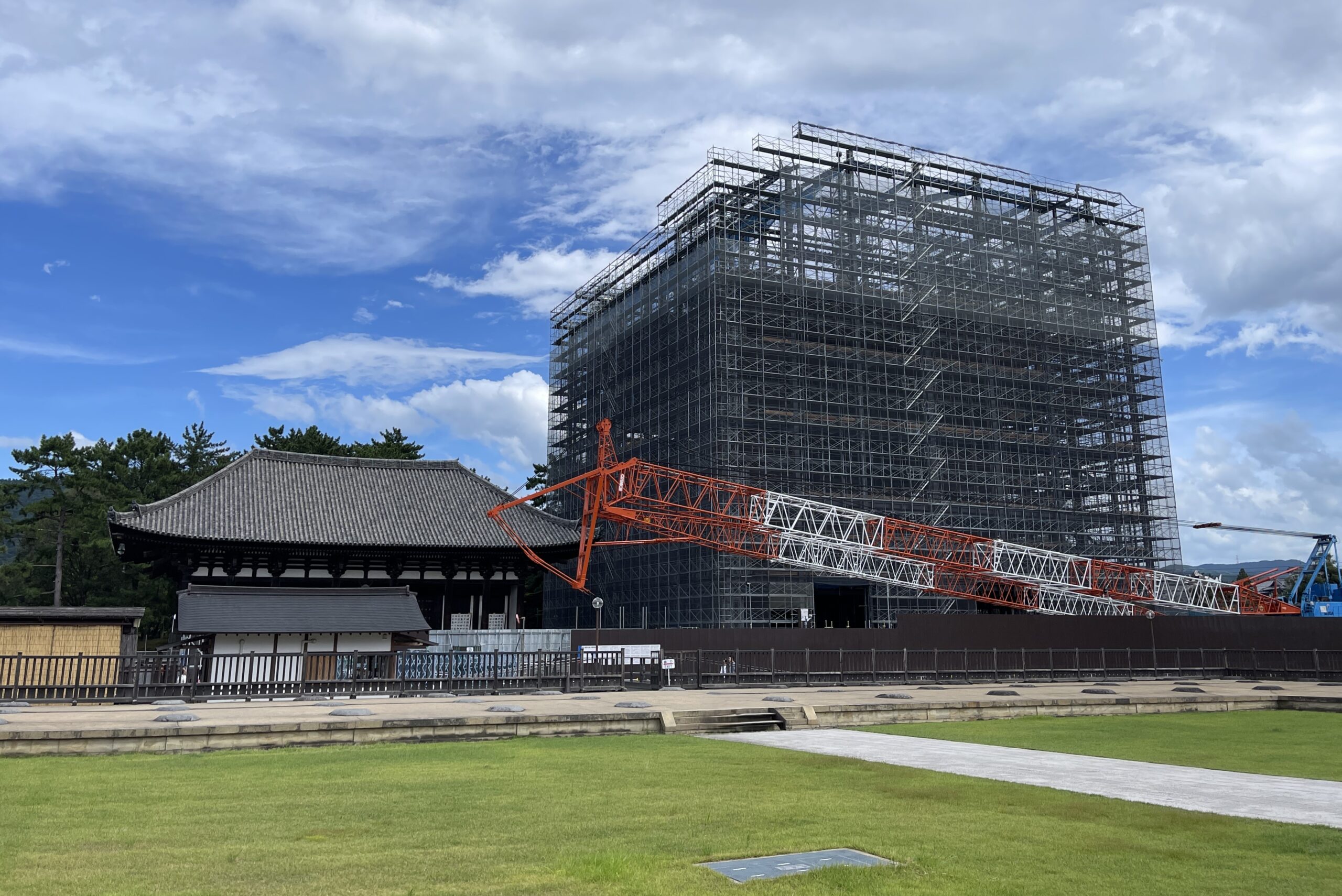
Additionally, the Five-Story Pagoda, a symbol of Nara, is currently undergoing major conservation and restoration work for the first time in about 120 years, since the Meiji era. The pagoda is presently covered by a protective structure and cannot be seen from outside; the work is expected to be completed around 2031.
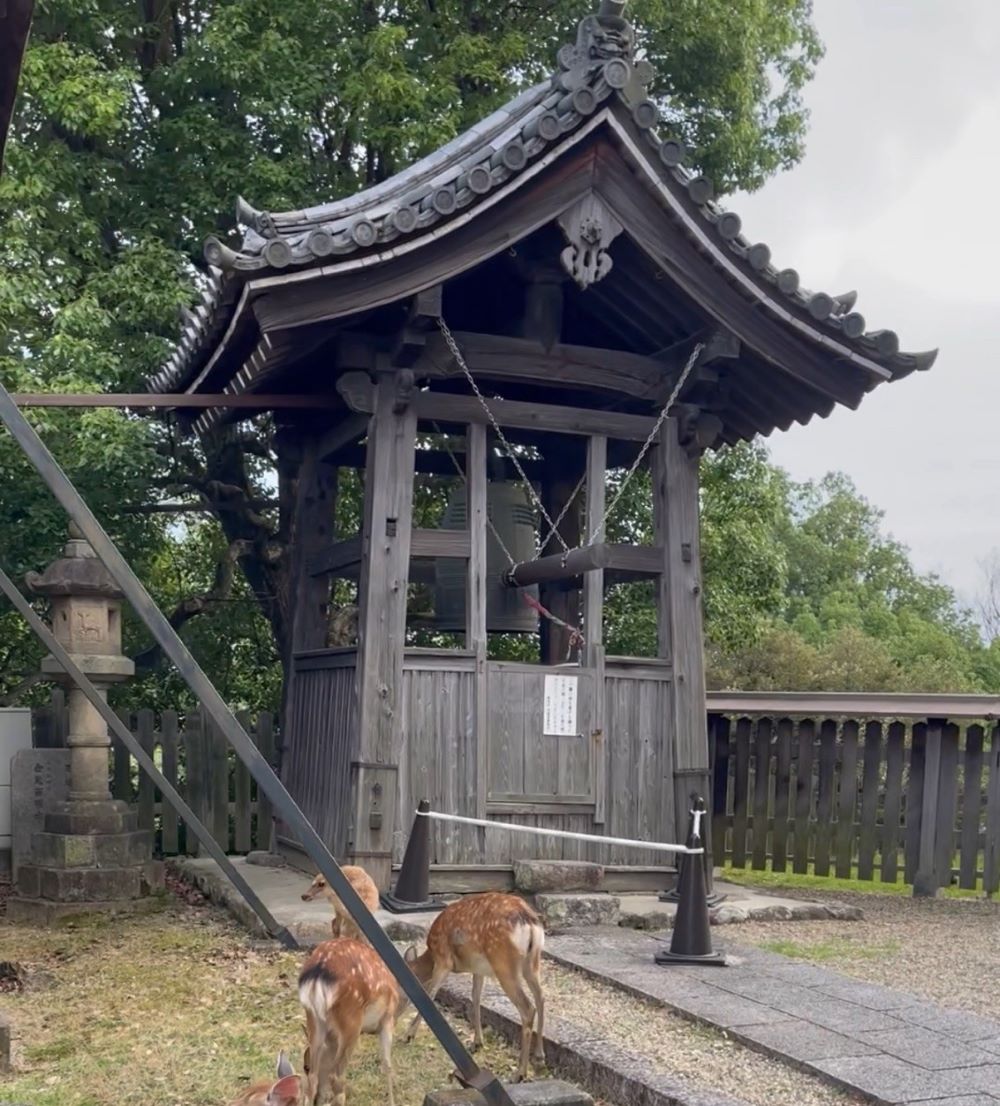
Japan’s Second-Oldest Dated Bronze Bell, Cast 1,300 Years Ago
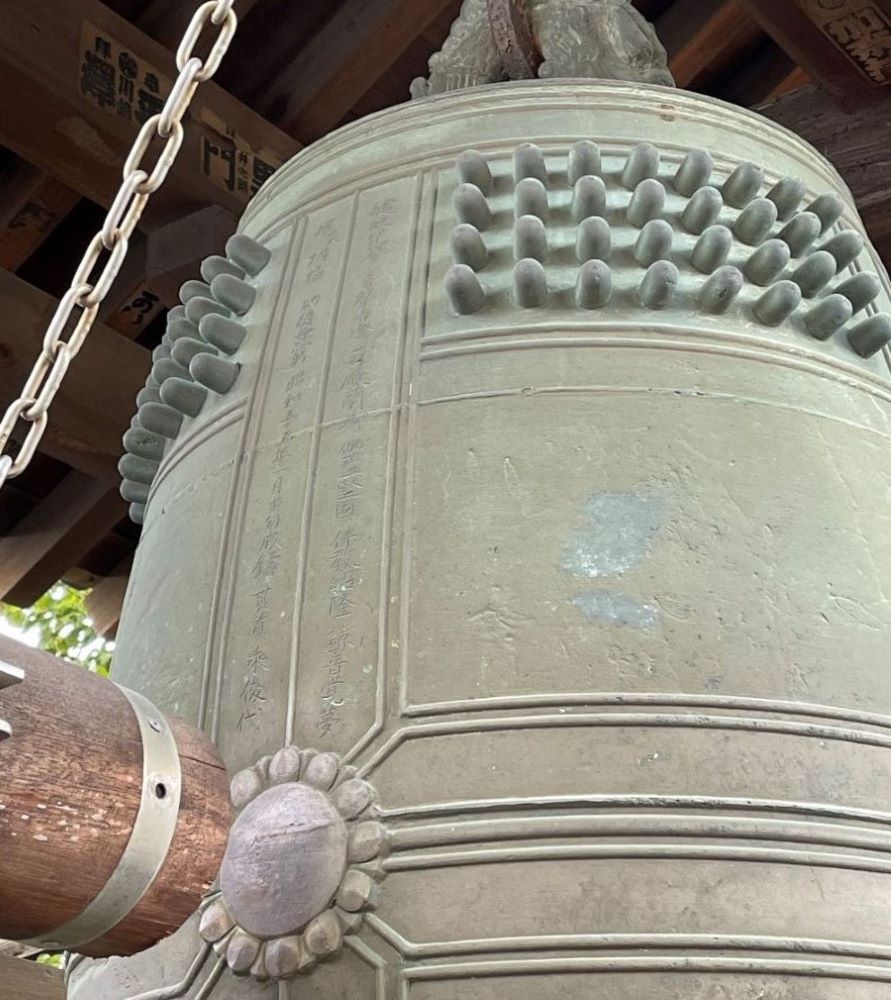
Most temple bells from the Nara period bear no inscription, which makes Kōfuku-ji’s bell especially valuable as an archaeological record, since its inscription can still be read. It states: “Cast on the eleventh day of the twelfth month, in the year of the Fire Rabbit, the fourth year of Jinki.” The fourth year of Jinki corresponds to 727 CE, during the reign of Emperor Shōmu. It is the second-oldest bronze bell in Japan for which the casting date is definitively known, and the relationship between the position of its dragon-shaped hanger (ryūzu) and its striking point (tsukiza) shows the oldest known style among ancient bells.
Temple Bell
Story
A Replica of the National Treasure Rings Out Every Day
The bell tower stands beside the South Octagonal Hall (Nan’endō), and the sound it produces each morning, set against the quiet scenery overlooking Sarusawa Pond, has a way of clearing the mind. For 1,300 years this sound has been an inseparable part of the townscape, largely unchanged since the days of Heijō-kyō. The original bell, owing to its historical value, has been designated a National Treasure and is now kept, out of public view, in a storage facility. The bell struck daily today is therefore a replica, cast in 1980.
The bell tower sits on a rise overlooking Sarusawa Pond. Each day, the caretaker in charge of the Nan’endō strikes the bell 6 times starting at 5:57:30 a.m., at 50-second intervals; 12 times starting at 11:55:00 a.m., at 50-second intervals; and 6 times starting at 5:57:30 p.m.
Access
Kōfuku-ji Temple
Getting There
A 5-minute walk from Kintetsu Nara Station.