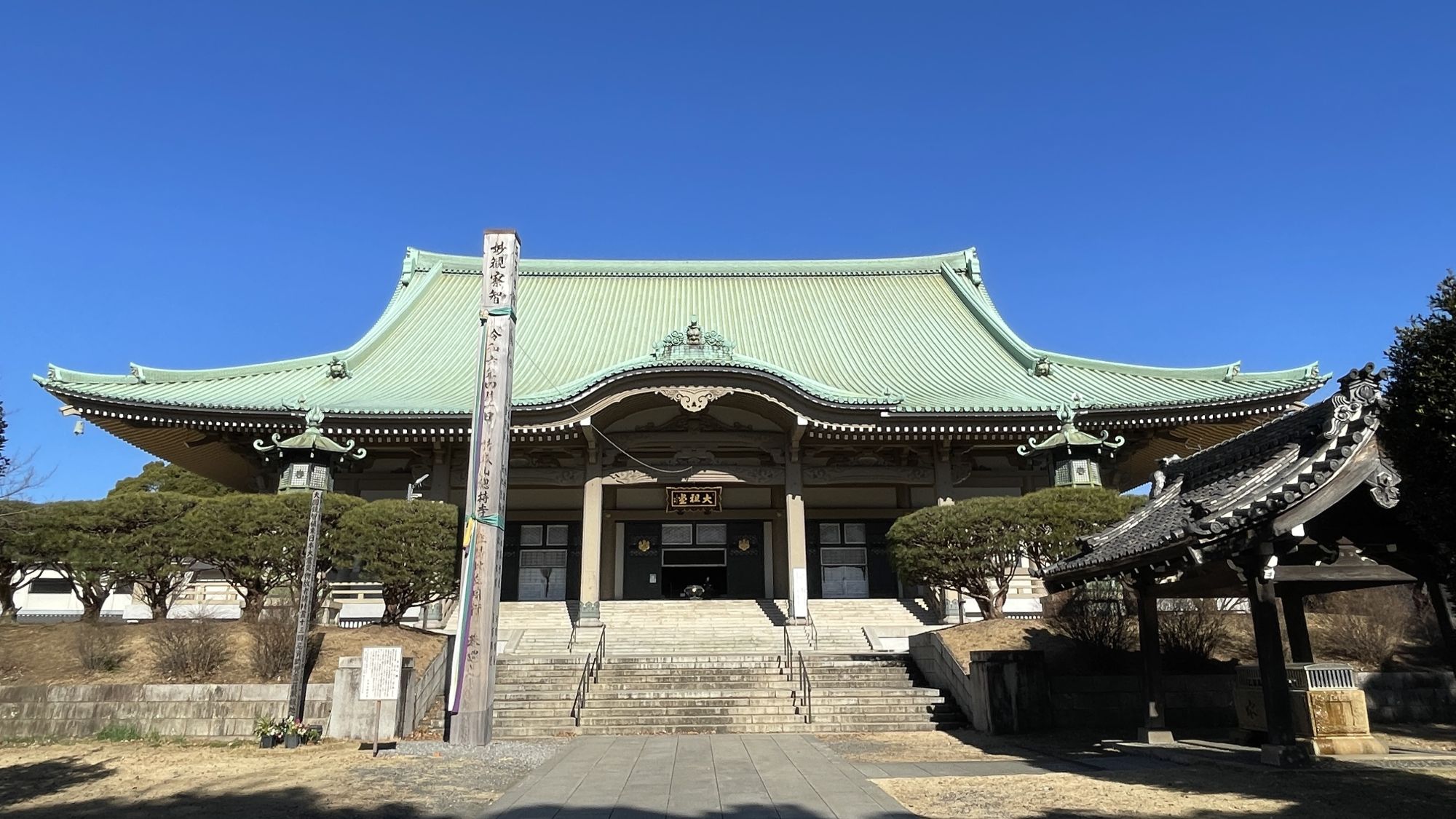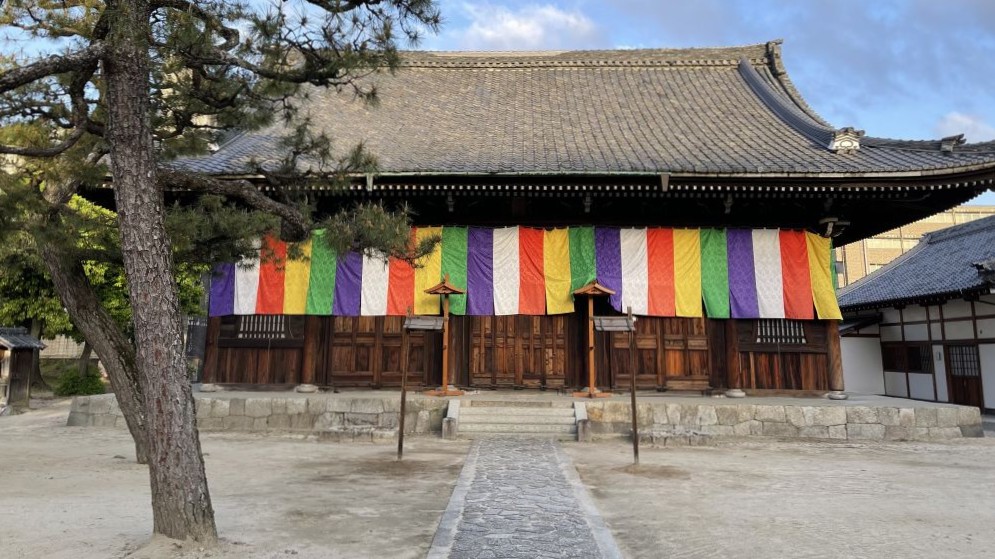
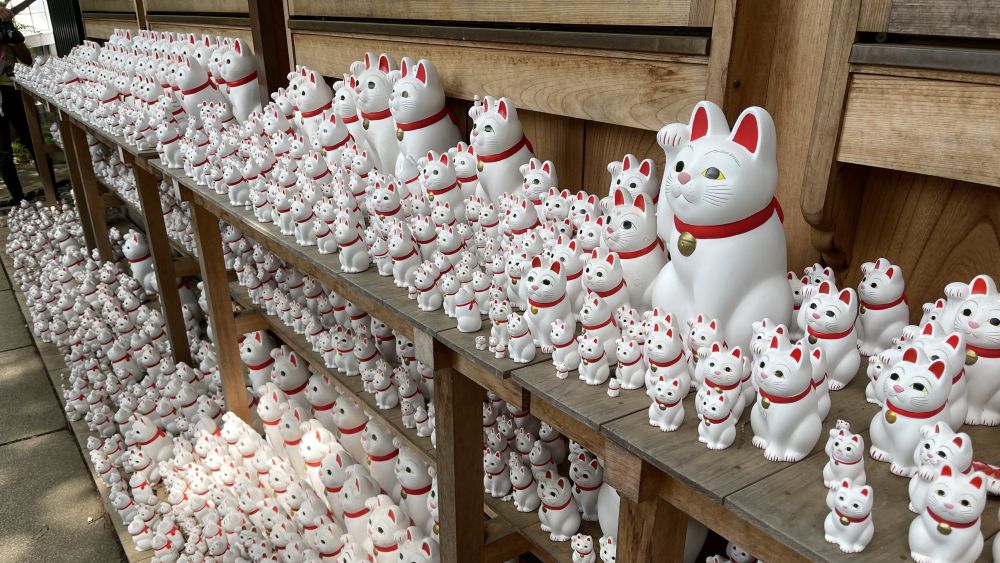
To visitors from overseas, Gōtokuji in Setagaya, Tokyo, is known above all as “the lucky cat temple” — the home of the maneki-neko, the beckoning cat. Yet the temple has an older identity as well: it is the bodaiji (family temple) of the Ii, one of the most powerful daimyo houses of the Edo period. Between them, the cats that crowd its grounds and the great bronze bell in its belfry tell the story of the Ii family and the art of Edo.
A Lord, a Cat, and a Thunderstorm
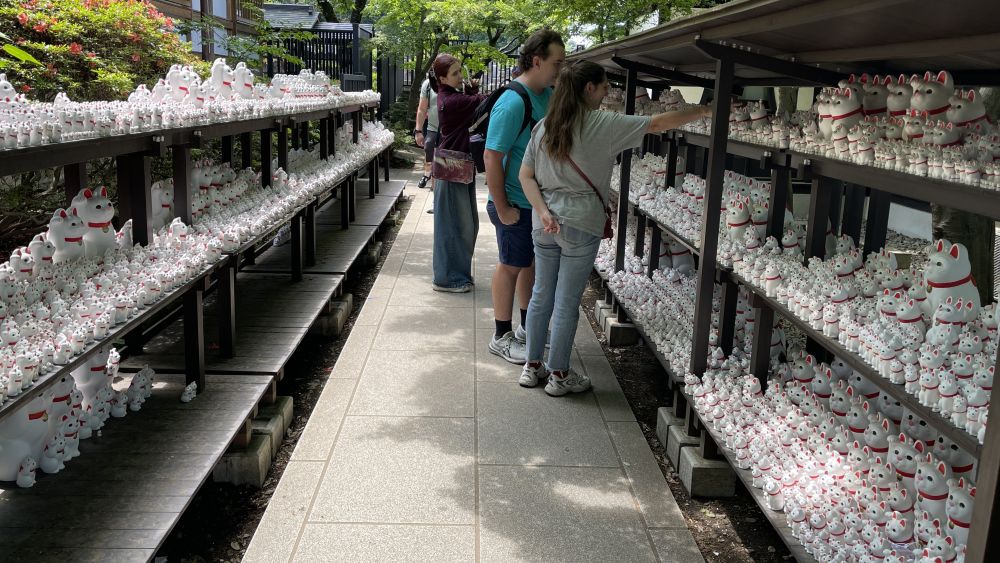
Why should a daimyo family’s temple also be the home of the lucky cat? Temple legend supplies the answer. In the early 1600s, the story goes, Gōtokuji was poor and run-down, and its priest kept a single cat named Tama. One day Ii Naotaka, lord of the Hikone domain, was riding past when he noticed the cat sitting at the gate, raising one paw as if beckoning him inside. Curious, Naotaka turned in — and moments later a sudden thunderstorm broke over the very spot where he had been standing. Certain the cat had saved his life, Naotaka took the temple under his protection, and its fortunes were transformed. When Tama eventually died, the cat was honoured with its own small shrine, and the beckoning-cat figurine now sold around the world is said to trace its origin here. Today, thousands of white maneki-neko, left by visitors as offerings of thanks, fill the grounds in tiered rows — one of Tokyo’s most photographed sights.
The Ii Clan and the Founding of Gōtokuji
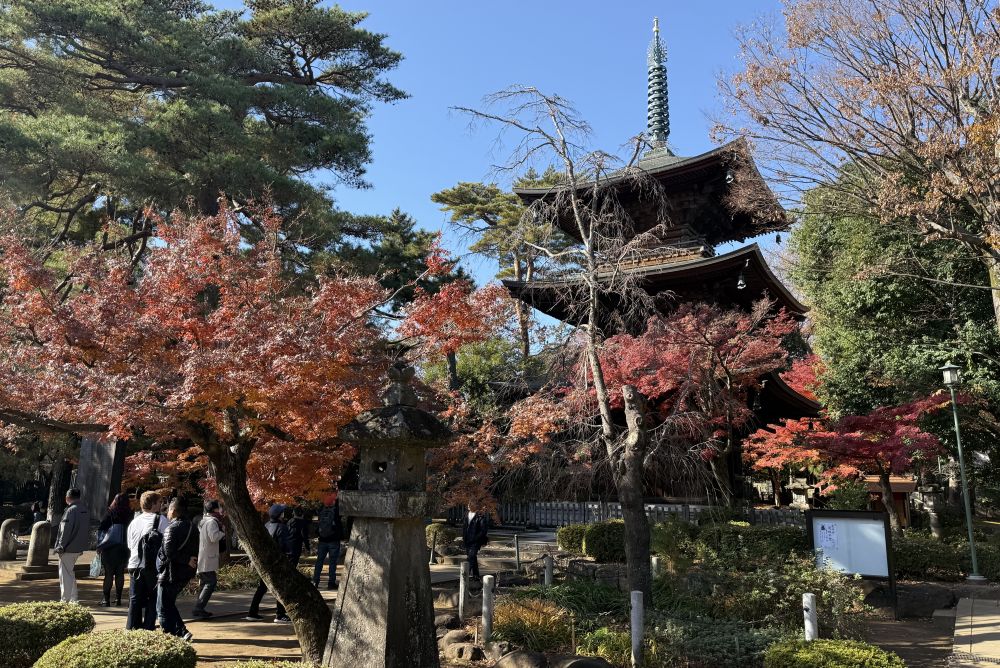
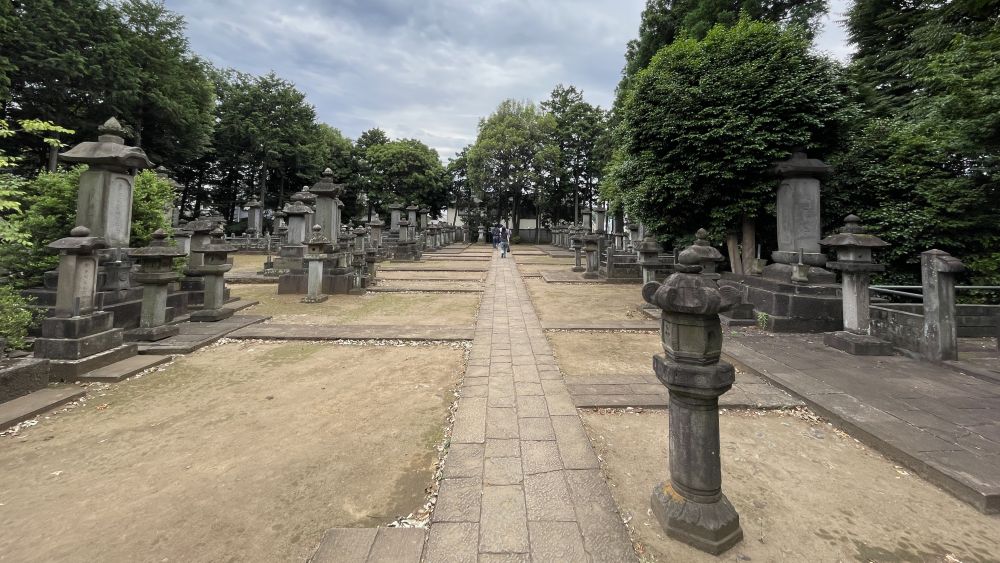
The site originally held a temple called Kōtoku-in. In 1633 (Kan’ei 10), when the Hikone domain was granted territory across the Setagaya area, Kōtoku-in became the Ii family’s bodaiji. The temple was renamed “Gōtokuji” after the posthumous Buddhist name of Ii Naotaka, the second lord of Hikone. From then on, its grounds came to hold the graves of successive heads of the Ii house — among them Ii Naosuke, the tairō (chief minister) remembered for the Ansei Purge, his sweeping crackdown on political opponents in the late 1850s.
From Naotora to Naomasa: The Rise of the Ii
The first lord of Hikone, Ii Naomasa, is said to have grown up under the protection of Ii Naotora — the celebrated “female castle lord” (onna jōshu) and the subject of NHK’s 2017 historical drama. Naomasa went on to serve Tokugawa Ieyasu, fighting at the decisive Battle of Sekigahara in 1600, and was counted among the Tokugawa Shitennō, the “Four Heavenly Kings,” the four generals Ieyasu trusted most. Building on Naomasa’s service — and on his successor Naotaka’s distinction at the Summer Siege of Osaka in 1615 — the Ii rose to become one of the foremost fudai (hereditary vassal) houses of the Tokugawa shogunate.
Temple Bell
Story
A Bell by One of Edo’s Star Artisans
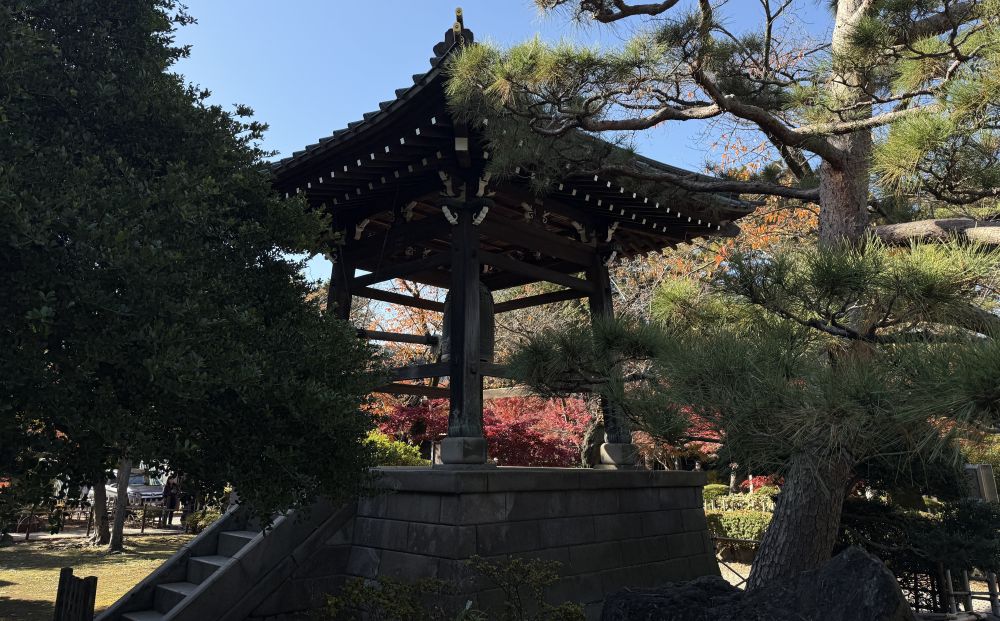
Gōtokuji’s bell was cast in 1710 (Hōei 7). Its maker, Fujiwara no Masatsugu, was among the most sought-after metal-casters of his day, producing works for major temples and shrines including Sensōji in Asakusa; his name is said to have appeared even on the era’s chōja banzuke, the published rankings of the wealthy that served as a kind of Edo-period rich list. Designated a Tangible Cultural Property by Setagaya Ward, the bell still hangs quietly in the temple grounds today, more than three centuries after it was cast.
Getting There: The Lucky Cat Tram
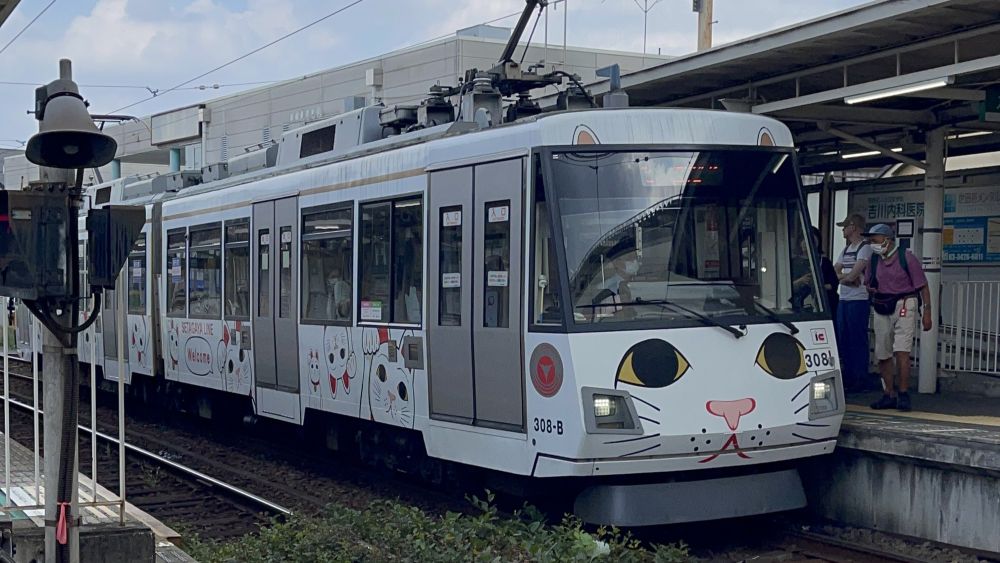
Gōtokuji is about a five-minute walk from Miyanosaka Station on the Tokyu Setagaya Line. The Setagaya Line is one of the last surviving streetcar lines in Tokyo, trundling along at a pace not much faster than walking — a charm in its own right. Among its cars runs the “Lucky Cat Tram,” decorated inside and out with maneki-neko; its schedule changes from day to day, so it’s worth checking the Tokyu Railways official website before you set out if you hope to ride it. (Coming from Shinjuku, the temple is also within walking distance of Gōtokuji Station on the Odakyu Odawara Line.)
Access
Gotokuji Temple
2-24-7 Gōtokuji, Setagaya-ku, Tokyo