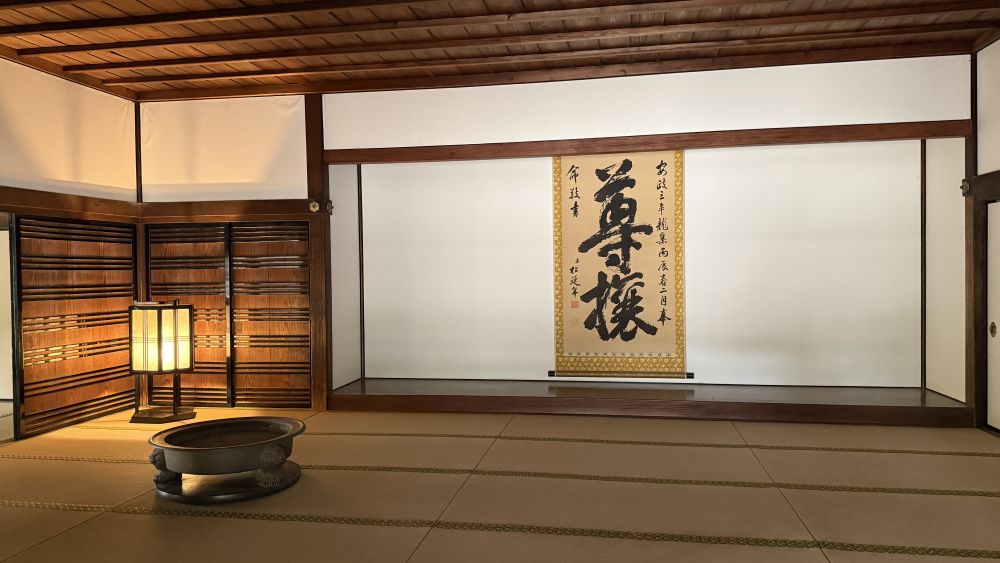
Most temple bells in Japan were made to mark the rhythm of religious life: morning sutras, evening services, the 108 tolls of New Year’s Eve. The Gakusei Keisho at Kodokan in Mito was made for something else entirely.
It rang to tell students when to begin, and when to stop.
Japan’s Largest Feudal Academy
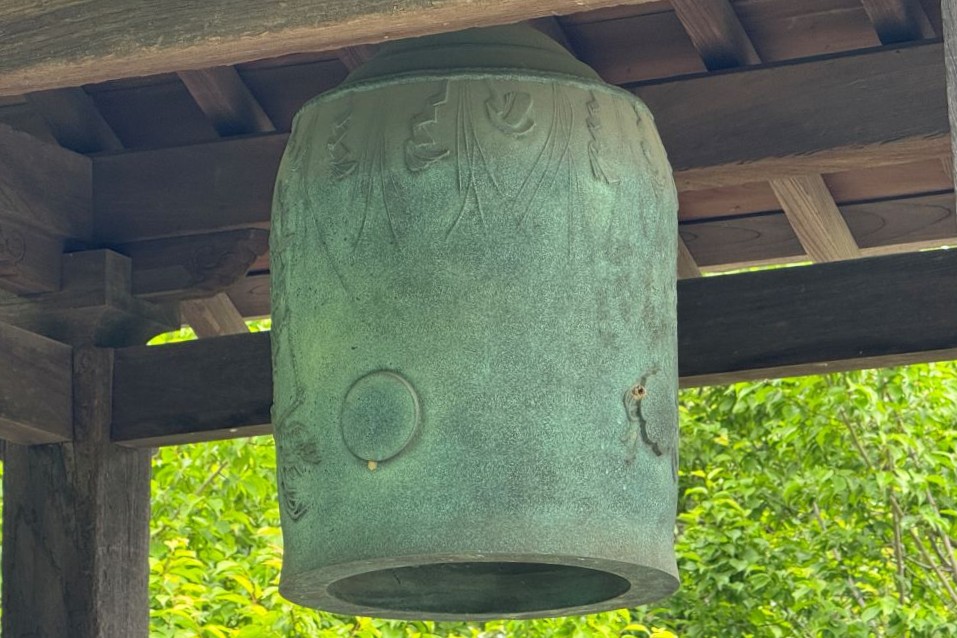
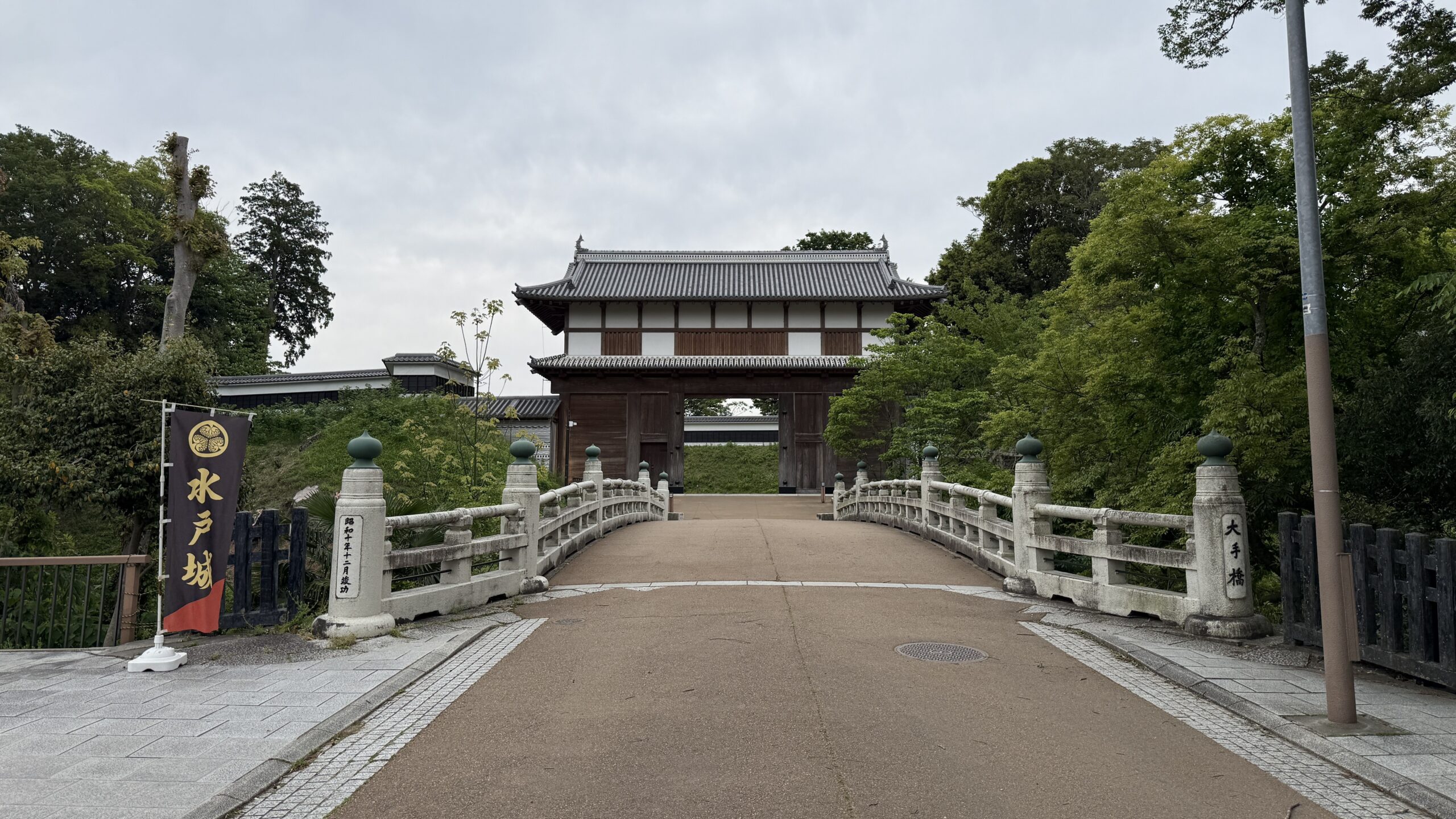
Kodokan was founded in 1841 by Tokugawa Nariaki, the ninth lord of the Mito Domain, as the domain school of the Mito Han. At roughly 10.5 hectares — the footprint of two Tokyo Domes — it was the largest domain school in Japan.
Students entered at age fifteen and were, in principle, never done: there was no graduation. Attendance continued until the age of forty. The curriculum spanned Confucian classics and military arts, but also astronomy and Western medicine — something closer to a comprehensive university than a traditional academy.
In one corner of this compound hangs a bell that, from the beginning, had nothing to do with Buddhism.
The Ancestor of the School Chime
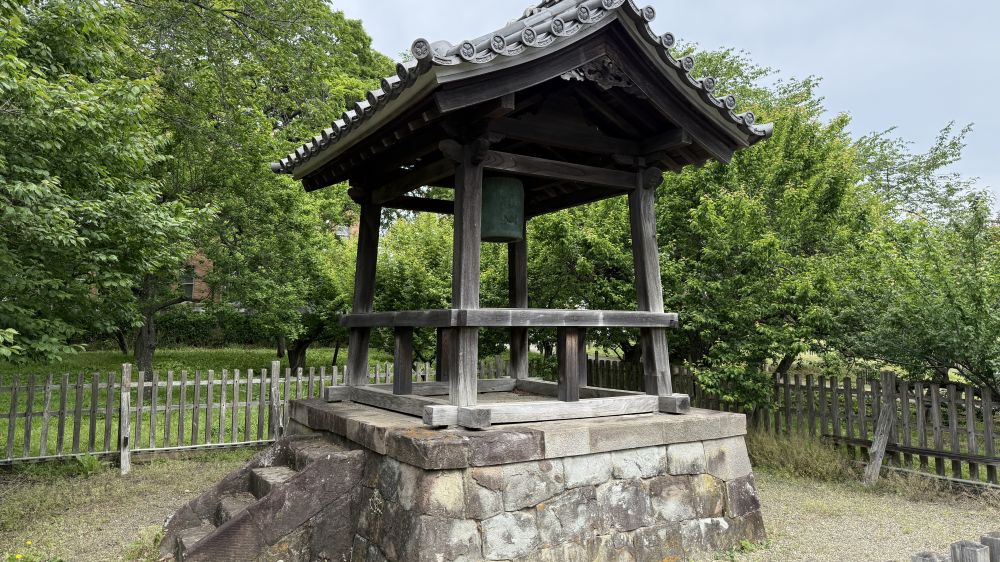
The Gakusei Keisho — literally “warning bell for students” — was purpose-built to serve as a time signal for the academy. It announced the start and end of classes, the boundaries of the scholarly day. In that function, it is arguably the earliest ancestor of what we now call a school bell.
This alone would make it unusual. But the design goes further.
Where most temple bells bear Buddhist imagery — lotus patterns, Sanskrit seed syllables, the faces of celestial beings — the Gakusei Keisho carries the iconography of Shinto. A sacred rope (shimenawa), the Eight-Span Mirror, and a curved jewel suspended from a sakaki branch are cast in relief around the bell’s surface. These motifs evoke the Three Sacred Treasures of the imperial tradition.
The reason lies in Kodokan’s founding philosophy: shinjuicchi — the unity of Shinto and Confucian thought. The bell was not a compromise between religions. It was a deliberate statement of that doctrine, rendered in bronze.
A Waka Poem in Hiragana
The inscription is where the Gakusei Keisho becomes truly singular.
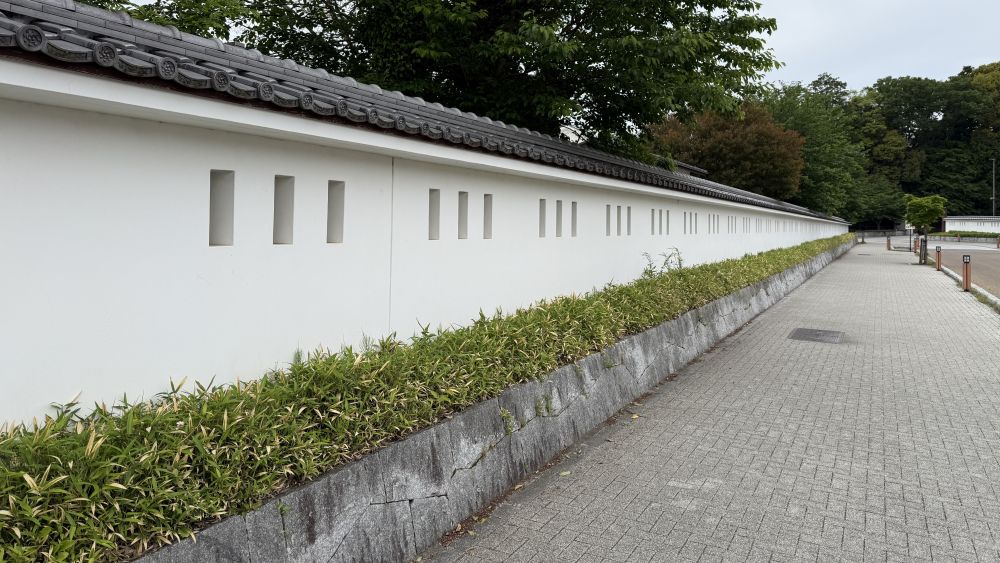
Temple bell inscriptions are almost always in Chinese characters, classical Chinese prose, or Sanskrit. The Gakusei Keisho carries a waka poem, composed and written in his own hand by Tokugawa Nariaki — cast in hiragana directly onto the bell’s surface, sometime during Nariaki’s lifetime (1800–1860):
Mono manabu / hito no tame ni to / sayaka ni mo / akatsuki tsuguru / kane no koe kana
“For those who devote themselves to learning — how clear the voice of this bell, announcing the dawn.”
It is a personal poem from a domain lord to his students, written not in the language of authority — Chinese — but in the native script of Japanese poetry. Temple bells inscribed in kana are among the rarest objects in Japanese bell history. Only one other confirmed example exists: the Roku-ji no Kane at Koyasan, which bears a Man’yōgana inscription. The Gakusei Keisho uses everyday hiragana — making the two bells a matched pair of exceptions in a tradition spanning more than a thousand years.
▶ See our article on the Roku-ji no Kane at Koyasan
Temple Bell
Story
The Interior No One Usually Sees
The surprises do not stop at the surface.
The interior of the bell also carries an inscription — Nariaki’s own account of why the bell was made — along with his personal seal (kaō). Bells are hollow by nature, and their interiors are almost never made into a site of meaning. Here, the space inside becomes a kind of private chamber for the lord’s own statement.
The authentic bell is displayed in Kodokan’s exhibition room, where the interior inscription is visible thanks to the angle of display. Photography of the bell in the exhibition room is not permitted. The replica — which hangs in the belfry at Kashima Shrine on the Kodokan grounds — can be seen and photographed from the exterior.
Both are worth seeking out.
Access
Mito Koudoukan
1-6 Sannomaru, Mito, Ibaraki Prefecture